Curso Alpha 2026: Holiness for All, a Path that Transforms

Ninth Edition of the Curso Alpha in Placetas “Holiness for All, a Path that Transforms”

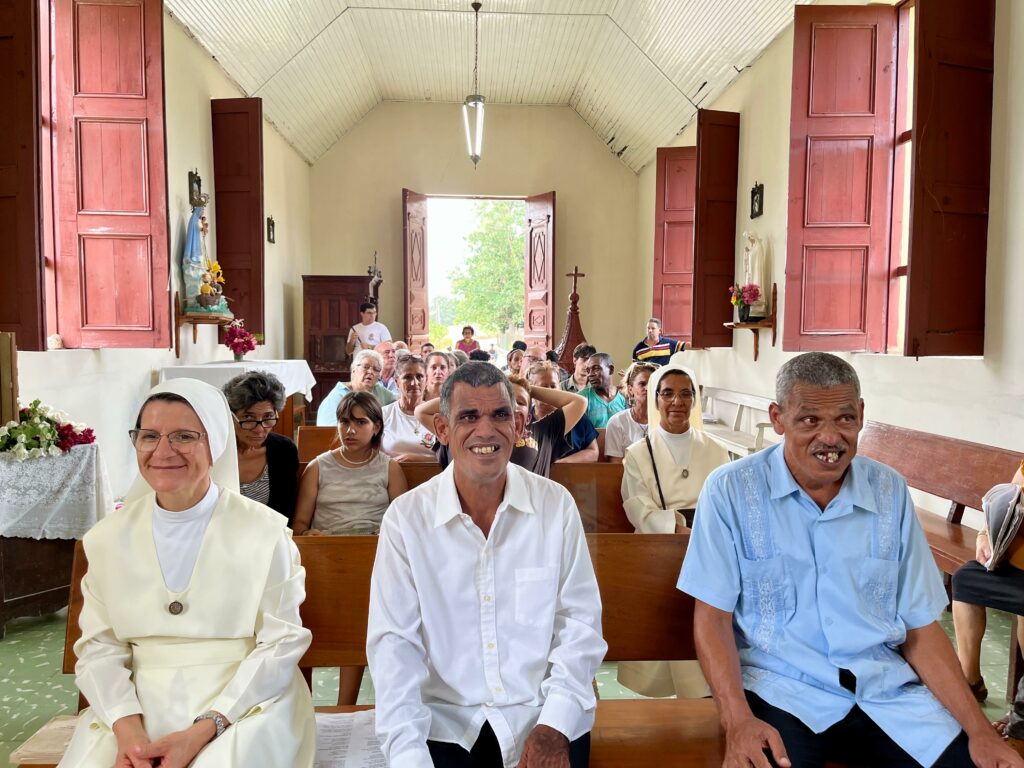
Since the beginning of Lent, the mission in Placetas has been living to the rhythm of the ninth edition of the Curso Alpha, a formation and sharing program designed to help each person deepen their faith. The theme chosen this year — “Holiness for All, a Path that Transforms” — recalls an essential truth of Christian life: holiness is not a distant ideal reserved for a few exceptional people. It is a call addressed to everyone, in the concrete reality of everyday life.

In a context often marked by material difficulties and uncertainty, this journey seeks to show that the Gospel can transform each person’s life through the simplicity of everyday gestures: within the family, at work, and in relationships with others. Holiness is built patiently, through fidelity and through concrete love for one’s neighbor.
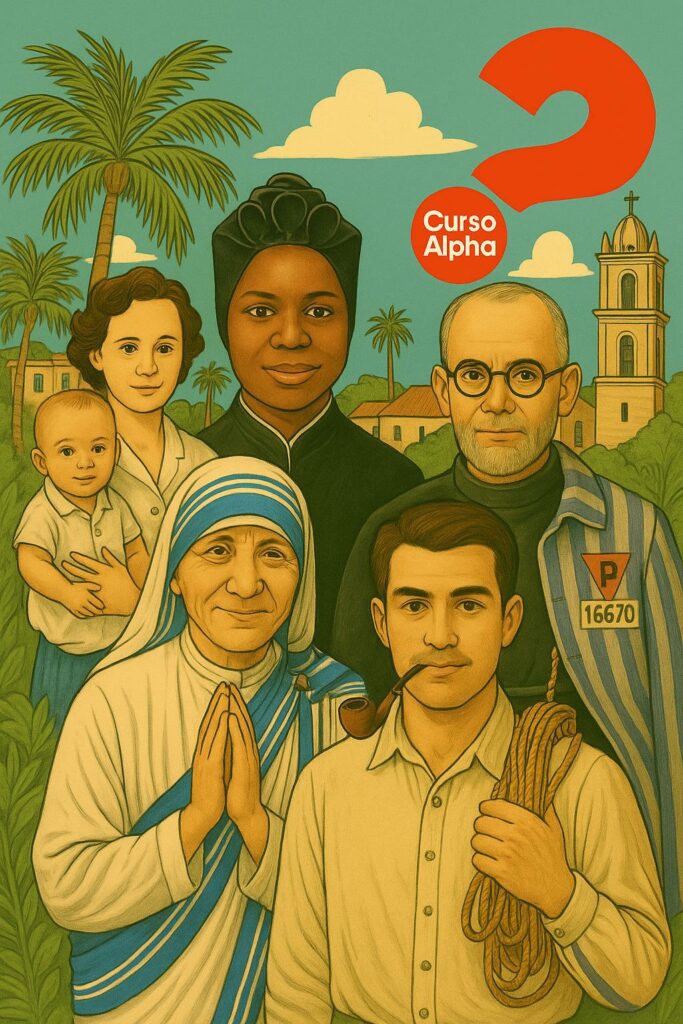
Since the beginning of the program, several meetings have already taken place in the different communities of our pastoral area. During the first week, participants discovered the luminous figure of Saint Teresa of Calcutta, a witness of Christ’s compassion in service to the poorest. Her life reminded everyone that holiness is often lived through simple gestures filled with love.

The second week was dedicated to Saint Gianna Beretta Molla, a physician and mother, whose courageous testimony invited participants to reflect on the value of life and the gift of self.

During the third meeting, the groups explored the life of Saint Josephine Bakhita. Her story, marked by slavery and suffering, deeply moved the participants. Her ability to forgive and to transform pain into love through faith opened many rich conversations within the groups.

This week, participants will discover the figure of Saint Pier Giorgio Frassati, a young Italian layman known for his joy, his deep faith, and his commitment to serving the poor. His witness shows that holiness can also be lived in youth, in friendship, in social commitment, and in a simple but coherent Christian life.
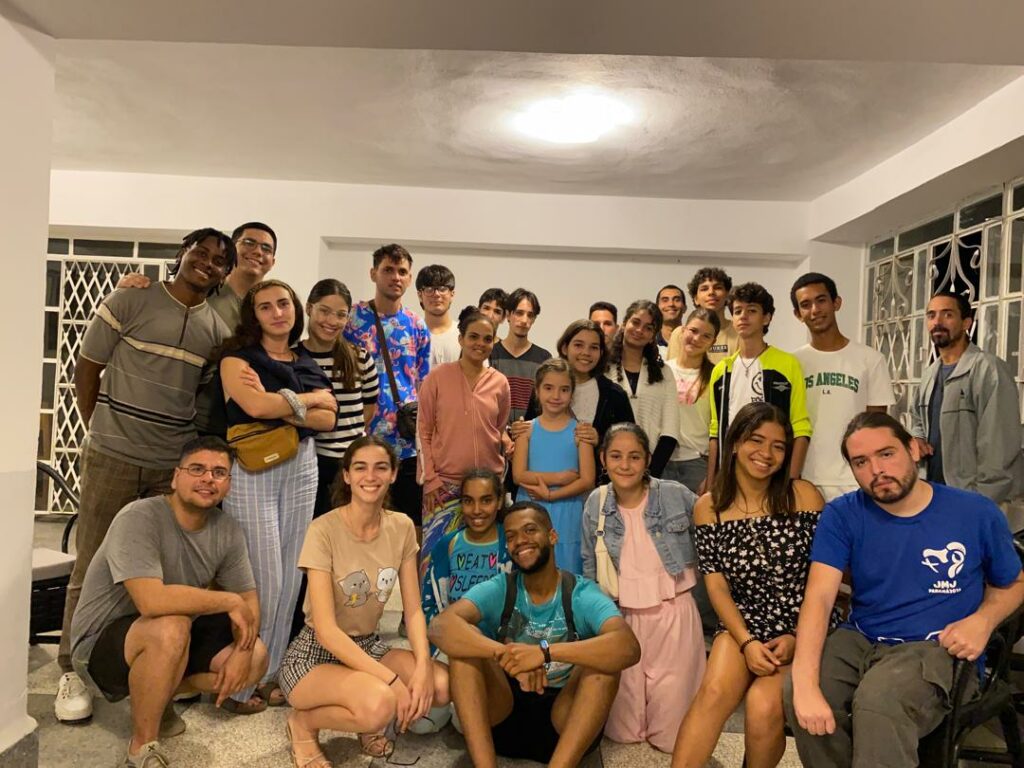
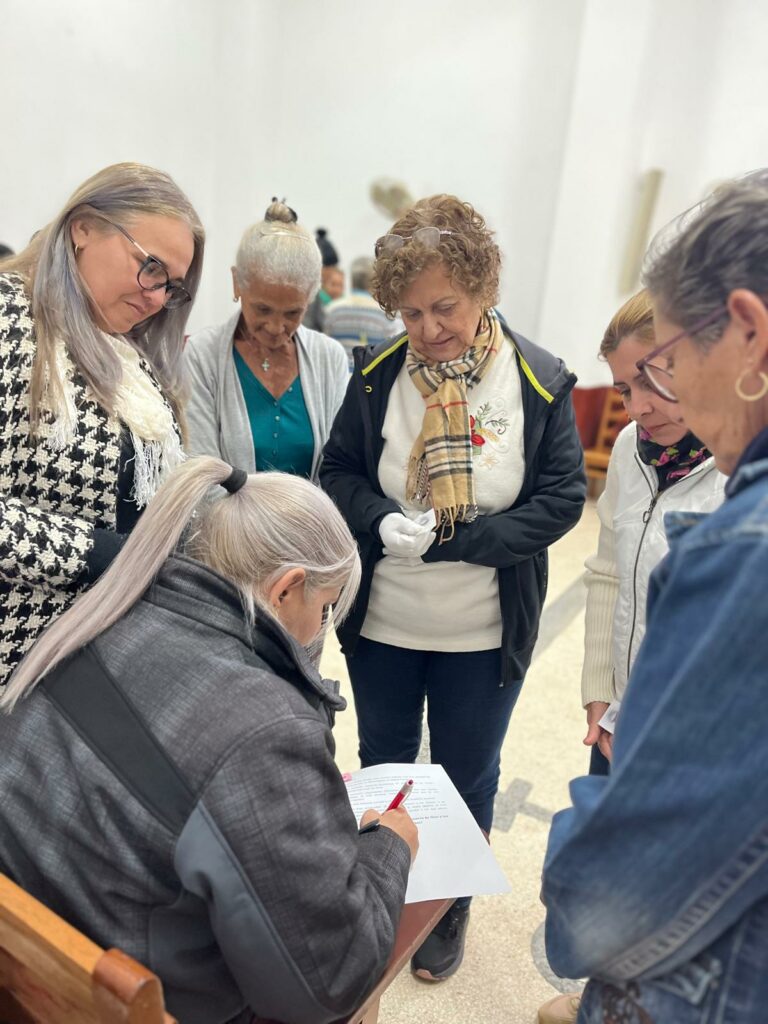
The program follows a dynamic that encourages the participation of everyone. Each meeting begins with a time of sharing in small groups, allowing participants to express what they are experiencing and to create a fraternal atmosphere. This is followed by a moment of common prayer, before the presentation of the theme of the week and the life of the saint.

This year, however, the organization of the program had to adapt to a very concrete reality. Normally, the priests travel each week to the different communities to give the main talk. But the significant fuel shortages currently affecting the country have made these trips very difficult.

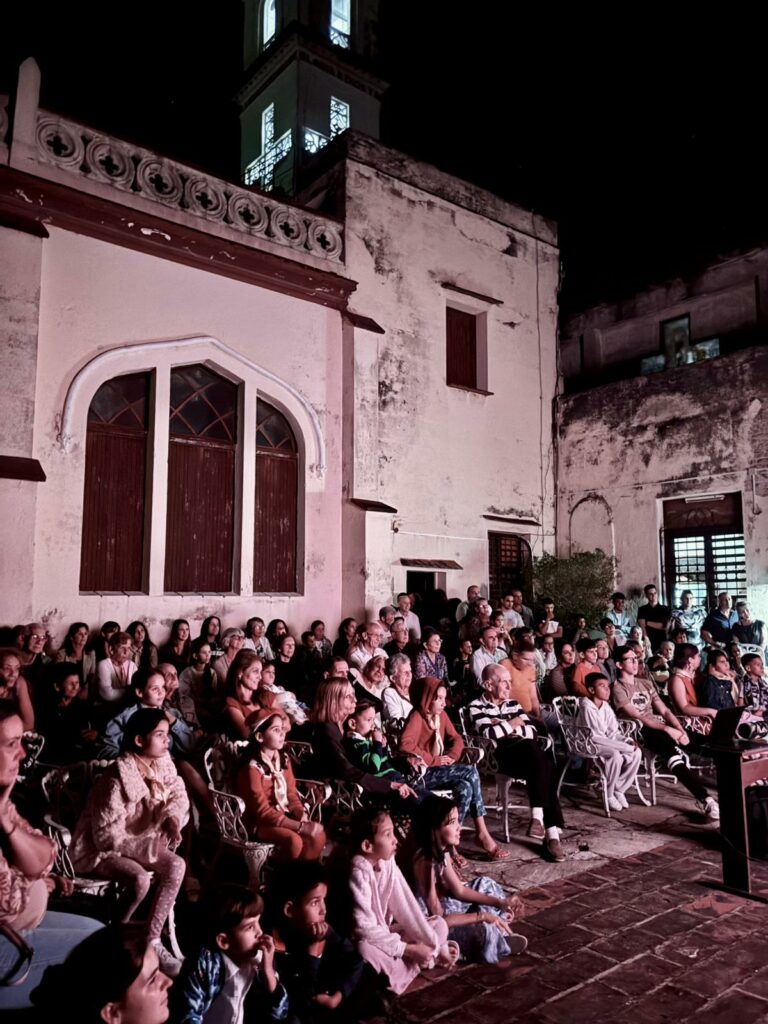
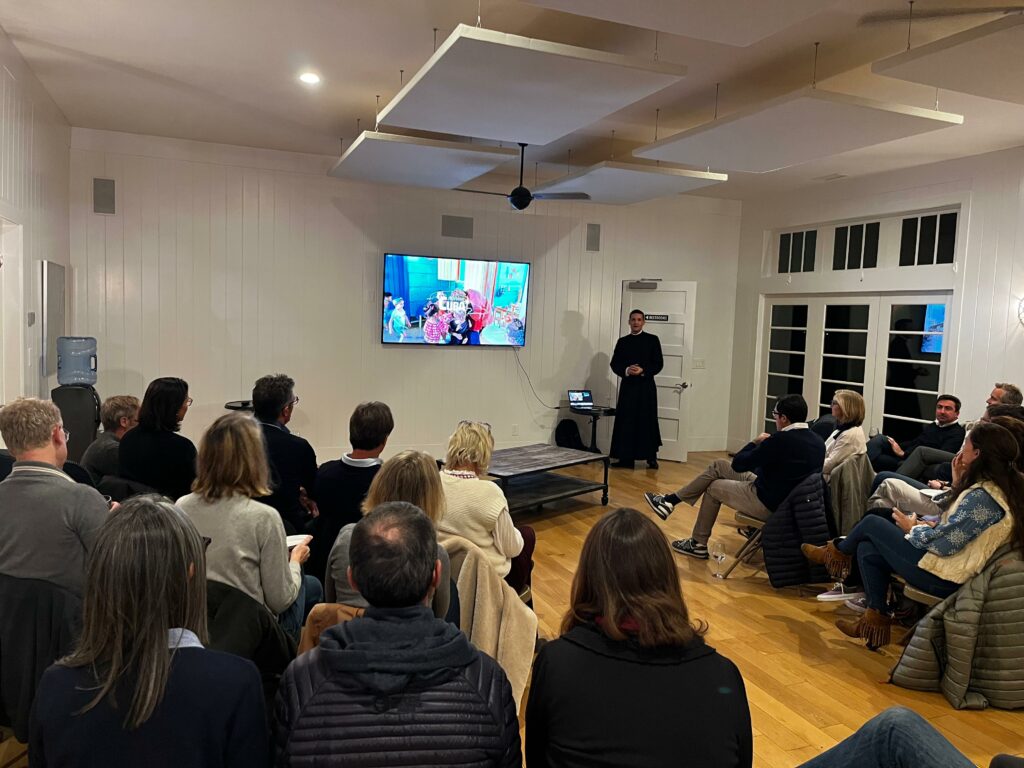
In order to continue the program, a simple solution was put in place: the priests record their teachings on video, and these videos are then shown in each community during the meeting. After the viewing, participants gather again in small groups for a time of discussion and exchange about the theme.

An essential role is played by the hosts, lay people who accompany the small groups throughout the program. Their mission is to ensure that everyone can express themselves freely in an atmosphere of respect, listening, and fraternity. Thanks to their faithful and discreet presence, the meetings become a true space for dialogue and spiritual growth.
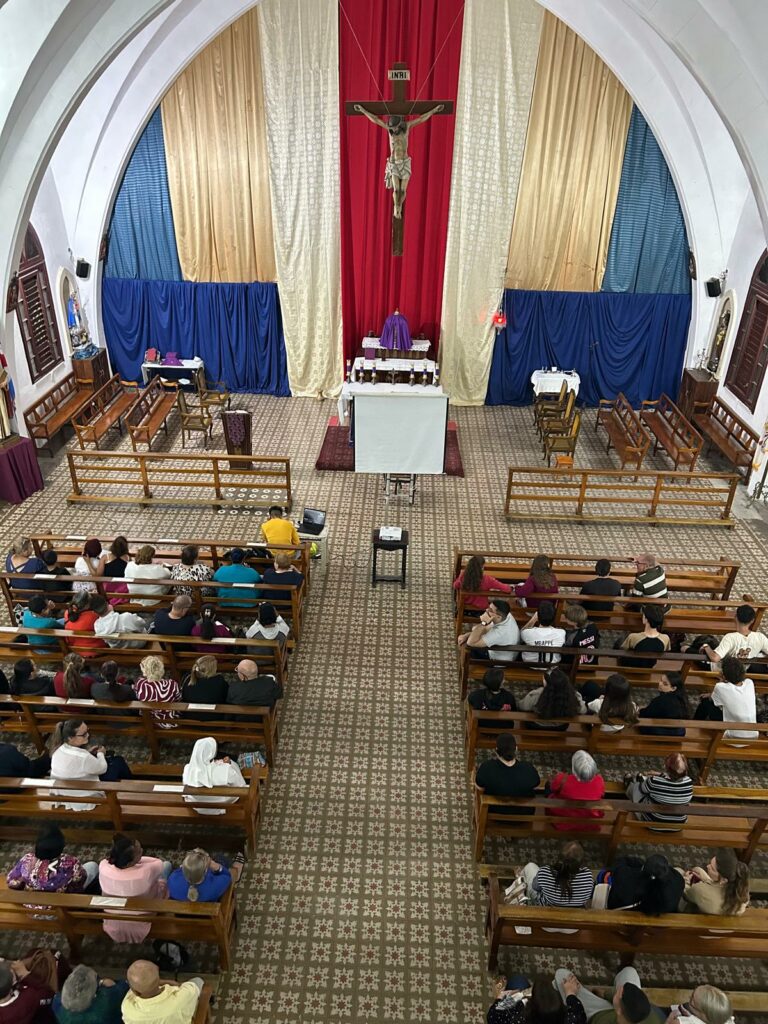
Week after week, this Curso Alpha is becoming a privileged place of encounter, reflection, and sharing. Walking with the saints, participants gradually discover that holiness is not something distant, but a path that is possible for everyone.

We continue to entrust this journey to prayer, so that these meetings may bear much fruit and help many people move forward with confidence on the path of the Gospel.

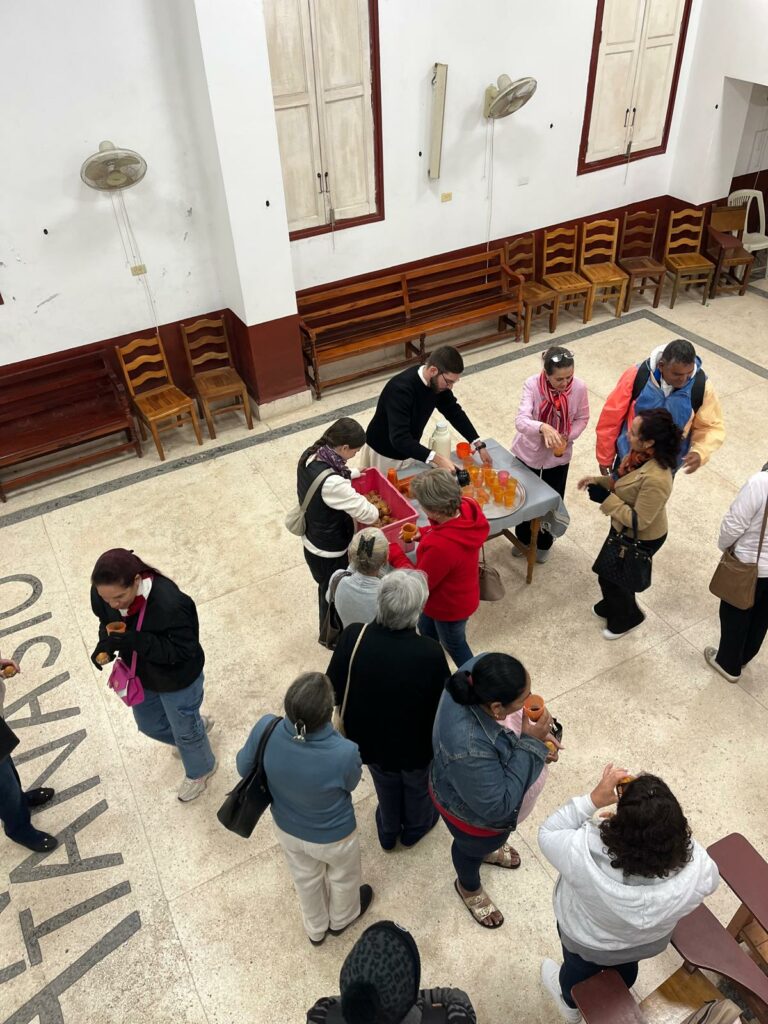
The Caritas volunteers gathered in Placetas

Caritas Volunteers Gathered in Placetas

On February 3rd, our three parishes came together for Caritas Day.

This special occasion allowed us to gather and thank, in the parish hall of Placetas, the volunteers dedicated to serving the Church through charitable works.

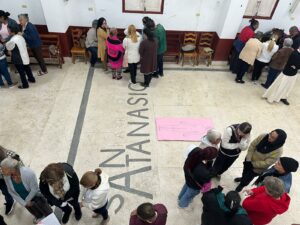
The event brought together about sixty volunteers involved in a variety of activities: members of the Comedores (community kitchens), visitors to the sick, companions for people with disabilities through the Renacer project, as well as those in charge of the pharmacies.

Overview of the Volunteers’ Work

The volunteers distribute nearly 500 meals per week, run pharmacies in various locations two to five days a week, support 25 families with a child with disabilities, and organize monthly gatherings for them. They also visit hundreds of sick people.

Serving Together with the Diocesan Caritas


We were able to count on the support and presence of the Caritas team from the Diocese of Santa Clara, represented by five people who led a workshop reminding us of our interdependence: we are each a member of the Body of Christ!

Deepening Charity in Service

Another highlight of the day was a teaching session by Don Paul Préaux, General Moderator of the Saint Martin Community, who shared reflections on charity. He reminded us how to practice this virtue by looking to Christ, and how to grow in charity to give it more depth in our service.

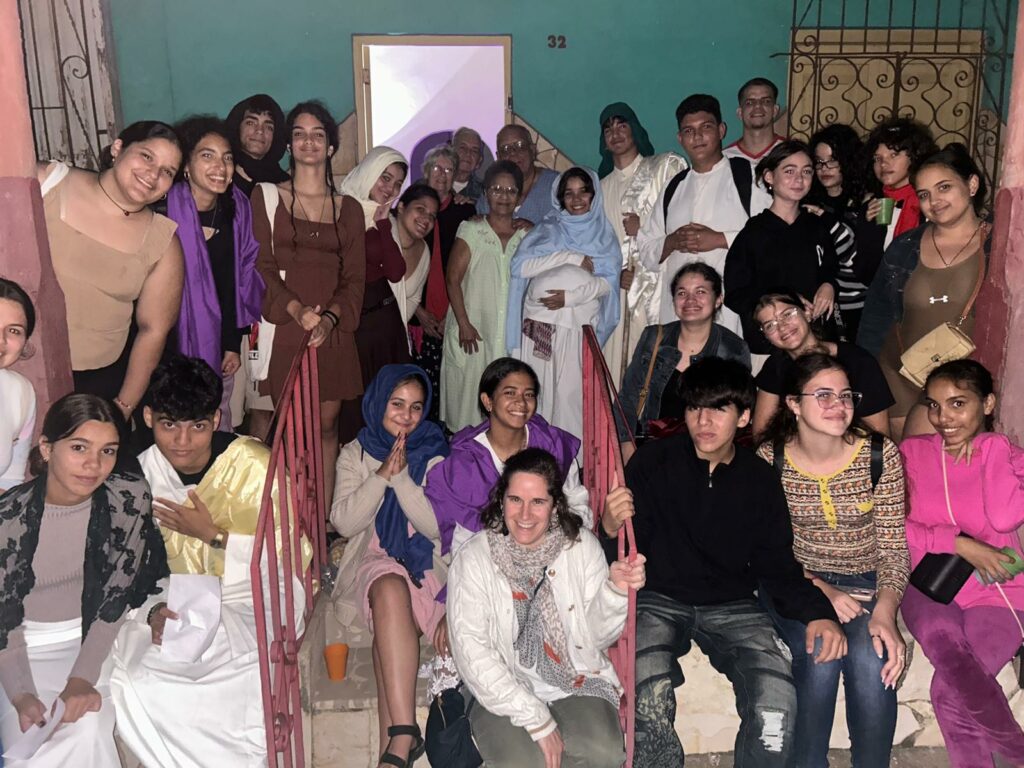
After the mass and the traditional group photo, a lunch brought together all the volunteers, allowing them to continue exchanging experiences about their respective missions.

Through this event, we were able to witness the impact of Caritas in our community and in each parish. We thank every volunteer and pray that our mission continues to grow and bear fruit.

A Solidarity Christmas: Distribution of Food Baskets to the Most Needy

The Mission at the bedside..… or in the kitchens of the poor at Christmas

On the occasion of the Christmas celebrations, the Cuba Mission has a long-standing tradition of offering the poorest members of our parishes “jabas de Navidad”—that is, parcels (literally “bags”) of food and hygiene products—in order to ease the difficult daily lives of underprivileged families. Just as at the manger in Bethlehem, the aim above all is to bring a fraternal presence through the very concreteness of these gifts.

Alongside the Most Needy

Across all our parishes in Placetas (Báez, Fomento, Cabaiguán, Guayos) and in Cienfuegos (Paraíso), we thus organized a large distribution for more than 240 people. While throughout the year we strive to support the poor who come to our parishes through our Comedores (hot meals) and our pharmacies, the distribution of these “jabas” relies on the mission’s local network, through which in each village or neighborhood we seek to identify the most needy—who often do not dare to ask for help.

Assistance Made Possible Thanks to Your Donations

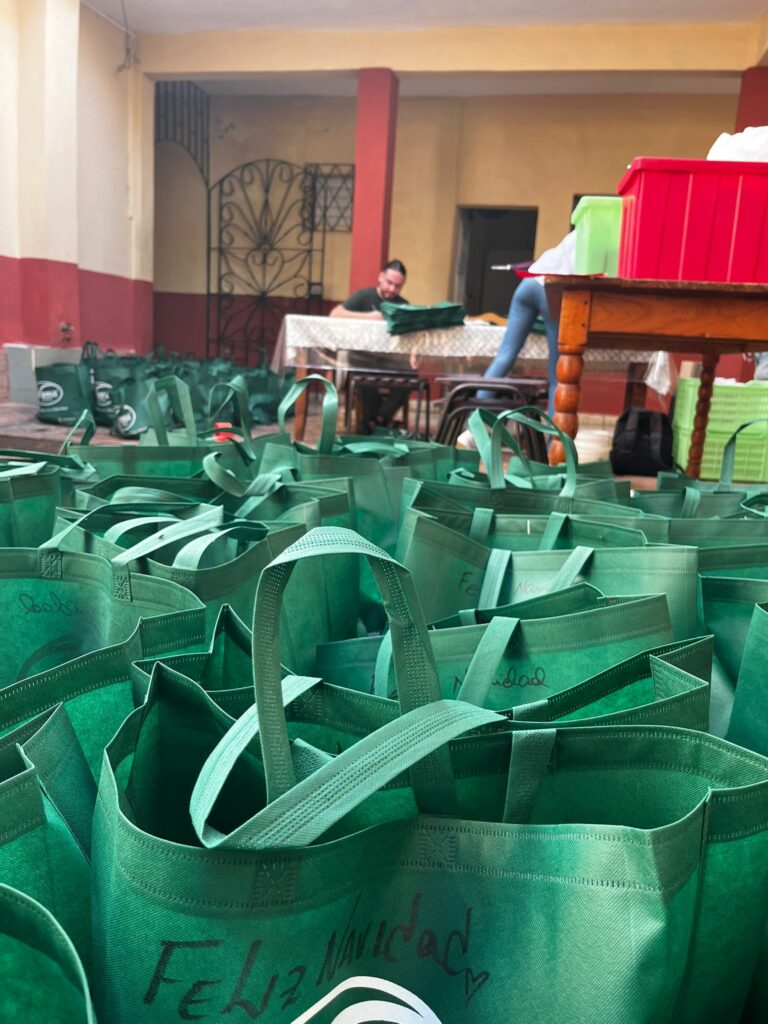
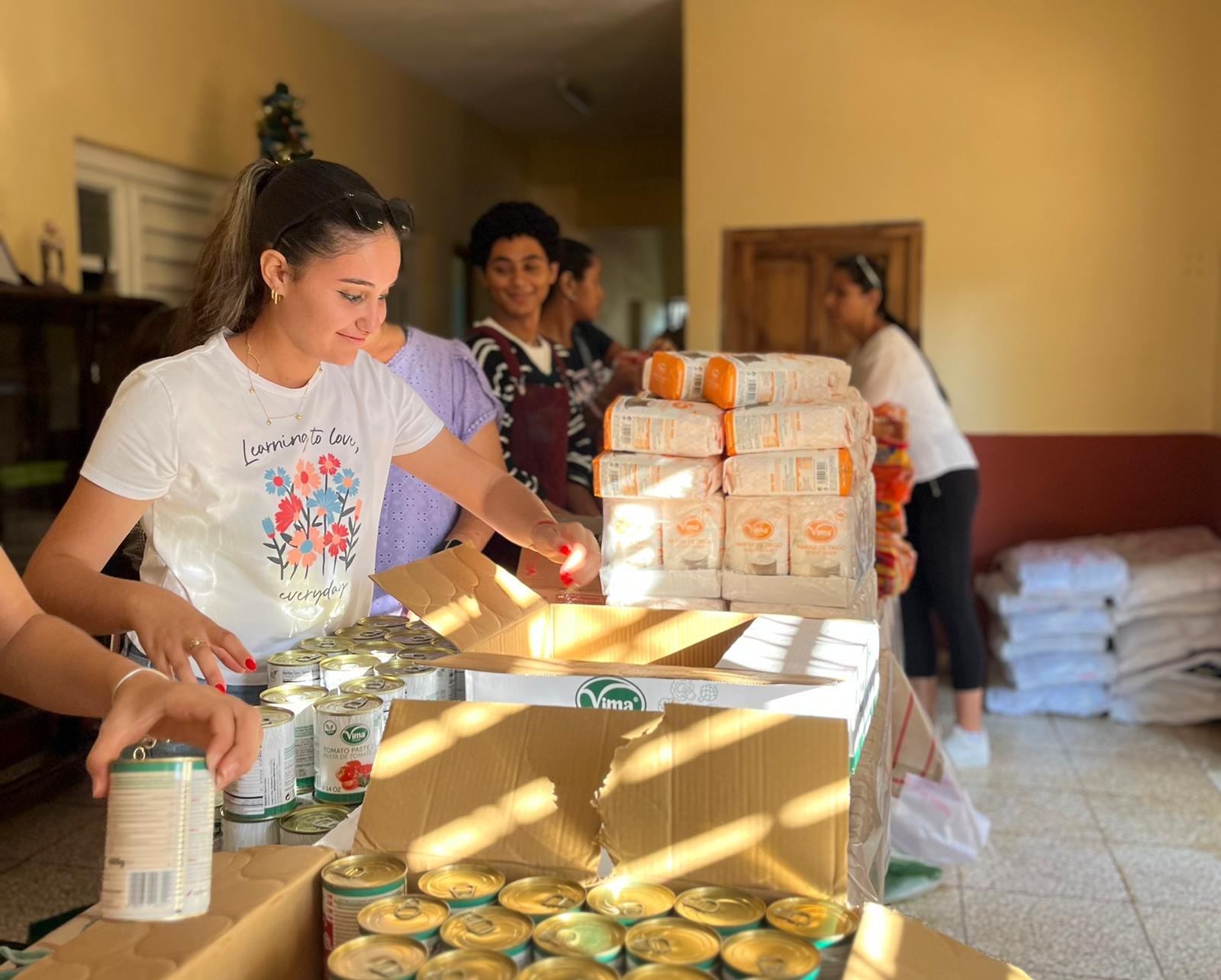
Thanks to the donation drives carried out over the past months, the Mission was able to obtain several tons of foodstuffs and hygiene products, making it possible to assemble 240 well-stocked jabas: canned goods, soups, rice and pasta, soap, laundry detergent, and the traditional “turrón de Navidad,” the Christmas dessert.

The Mobilization of Young People

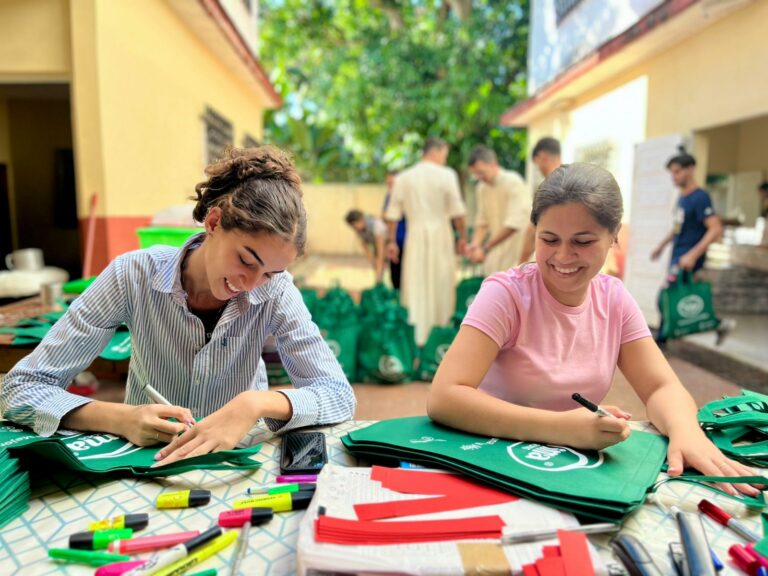
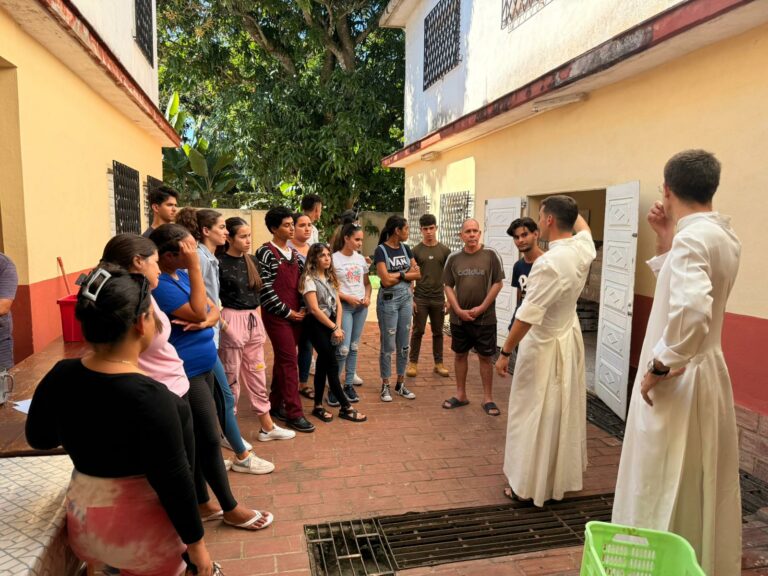
After several weeks of logistics to gather all these supplies, it was the mission’s young people who got to work assembling the jabas. The boarding school refectory was adapted for the occasion, and the young people from Cienfuegos joined the Placetas team on the Saturday before Christmas. Over the course of a full day, a true hive of activity took shape to prepare, weigh, count, and distribute the bags, right up to the final stage: personalizing each parcel!

As charity gives rise to fraternity, this logistical adventure concluded with a large shared meal among the thirty or so volunteers, thereby strengthening the bonds between the two missions of Placetas and Cienfuegos.

Ana-Carolina gives her testimony:

“In this time of Christmas, the distribution of the food baskets was not only a material gesture, but a living sign of Christ’s love. When visiting some brothers and sisters who live alone, we felt that each of these baskets carried within it a message of hope: ‘You are not forgotten; the Church walks with you.’ Many received this food with tears of gratitude, because beyond its contents, it represented the companionship, closeness, and embrace of a community that recognizes them as part of the great family of God. Christmas reminds us that Jesus was born poor and humble, so that no one would feel alone at His table. Each bag given was a seed of faith and consolation, a reminder that true wealth is found in sharing.”


Visiting the Poor

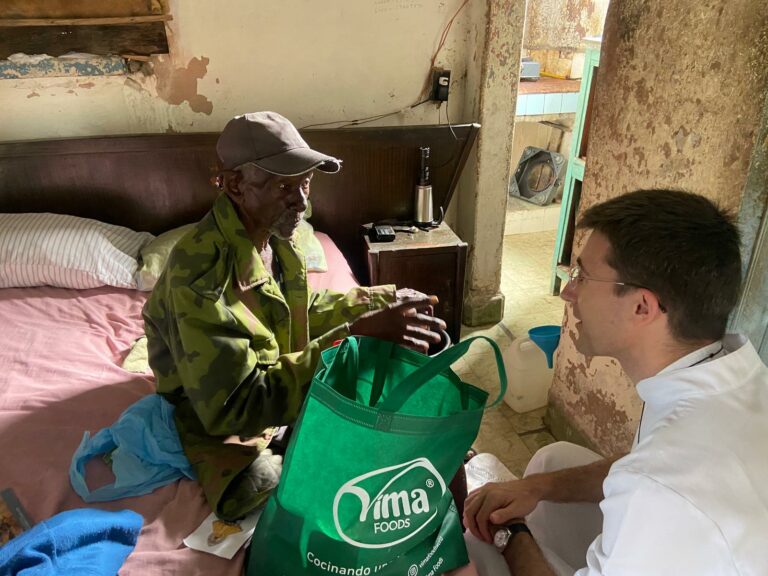
Everything was then ready for the final stage: reaching the homes of the recipients of these jabas de Navidad. Given the vastness of the territory, each sector organized itself. In the city, it was often the young people who, during the days before and after Christmas, went to visit each person in need to deliver the jaba and take the time to share a meaningful visit. The various communities also mobilized to ensure that this Christmas gift reached those living in the most remote areas.

Ana-Carolina gives her testimony:

“In this time of Christmas, the distribution of the food baskets was not only a material gesture, but a living sign of Christ’s love. When visiting some brothers and sisters who live alone, we felt that each of these baskets carried within it a message of hope: ‘You are not forgotten; the Church walks with you.’ Many received this food with tears of gratitude, because beyond its contents, it represented the companionship, closeness, and embrace of a community that recognizes them as part of the great family of God. Christmas reminds us that Jesus was born poor and humble, so that no one would feel alone at His table. Each bag given was a seed of faith and consolation, a reminder that true wealth is found in sharing.”

A new Minibus: Christmas Gift for the Mission

A new Minibus: Christmas Gift for the Mission

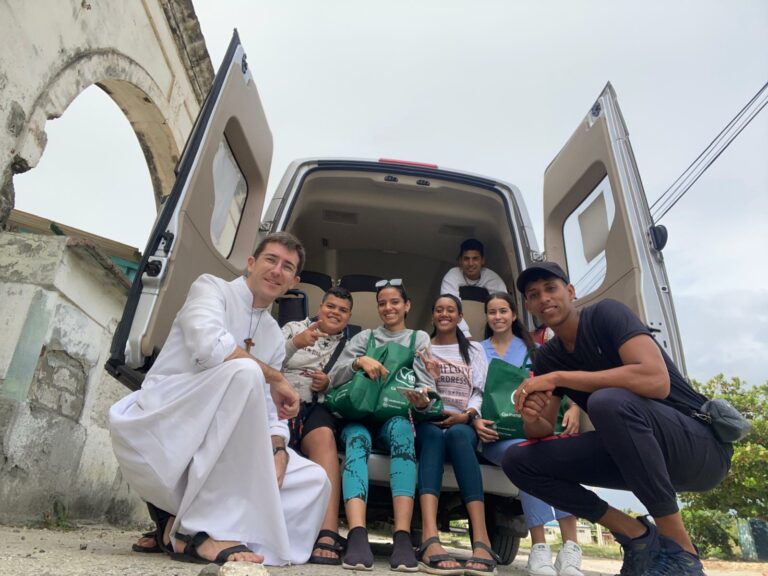
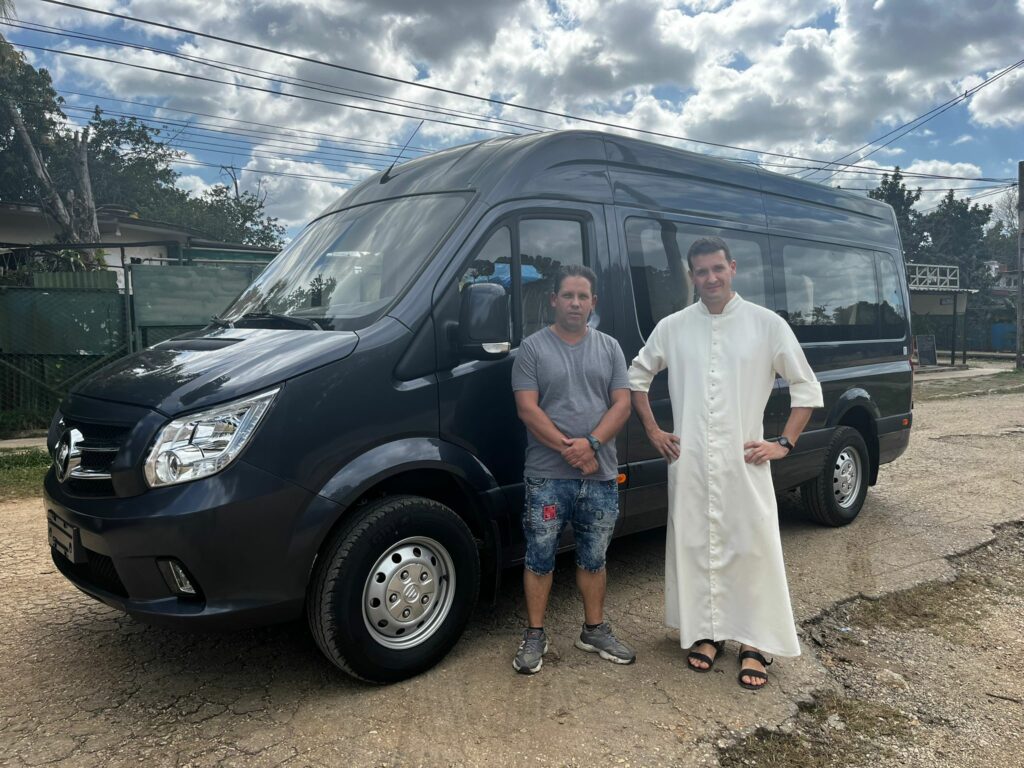
This Christmas season, the Placetas mission received a very special and hope-filled gift: the purchase of an 18-seat minibus, locally known as the Toano. This acquisition represents a major step forward for the mission as it faces significant pastoral and logistical challenges.

A Vast Mission with Limited Resources

The territory entrusted to the mission is extensive, with only five priests serving numerous parishes and rural communities. Many of these communities are isolated, and a large number of faithful are unable to attend Mass or participate in pastoral activities regularly due to the lack of transportation.

This situation is made even more difficult by the unprecedented crisis currently affecting Cuba. Fuel shortages have largely paralyzed public transportation, and only a very small minority of the population owns a personal vehicle. In rural areas, people often travel on foot or by horse-drawn carts, making the journey to the parish a real challenge.

Fragile Communities That Still Endure

The massive migration of young people to the United States or to major cities has led to the decline of many small rural parishes. Some chapels have had to close due to the lack of parishioners. Nevertheless, the mission remains committed to the faithful who continue to persevere and remain deeply rooted in their Christian faith.

Thanks to the purchase of the Toano, the mission is now able to bring together these scattered communities. The recent reopening of the church in Placetas also allows the mission to welcome more parishioners from former rural chapels, especially for major liturgical celebrations and key moments in parish life.

Reaching the Most Isolated Faithful

This minibus is far more than a means of transportation. It enables priests and pastoral teams to reach isolated parishioners, maintain strong connections with rural communities, and accompany them on their faith journey. It also makes it possible for many faithful to take part in Mass, formation programs, and other mission activities.

Heartfelt Thanks to Our Donors

This purchase would not have been possible without the generosity of our donors. We extend our sincere thanks to all those whose financial support allows the mission to reach isolated communities, accompany the faithful, and help them live out their Christian commitment more fully, despite the challenges of the current context.

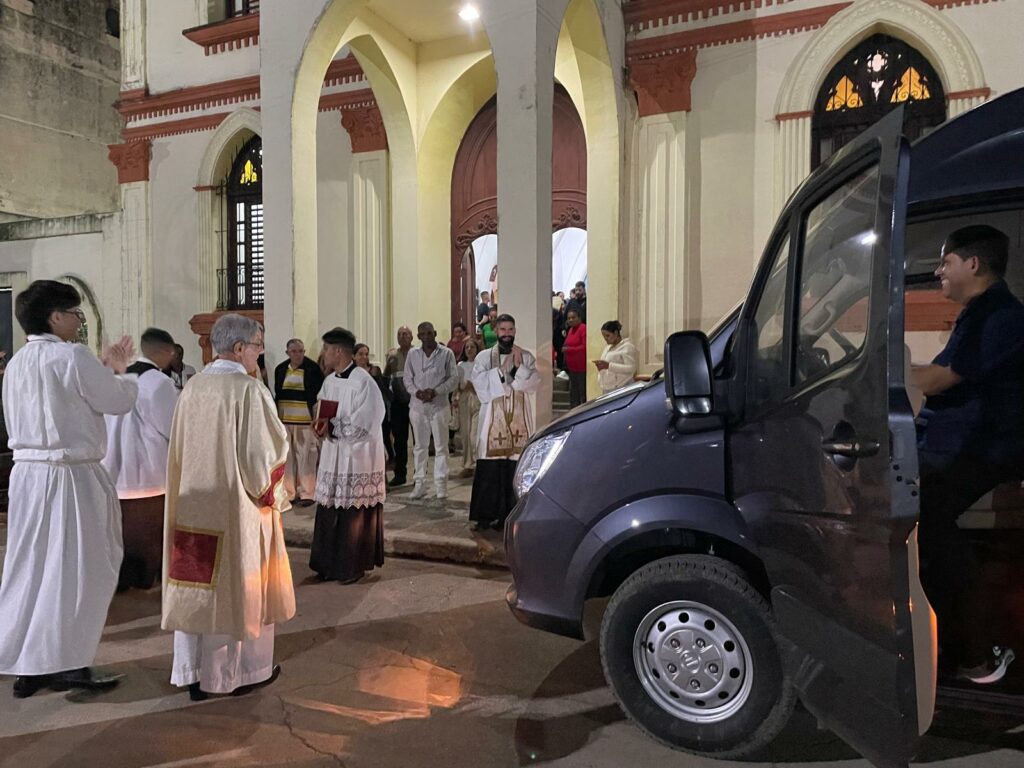
The Toano was officially blessed after the Christmas Mass, placing this new vehicle at the service of the mission and entrusting it to the Lord’s protection for evangelization and pastoral outreach.

Youth Conviviality

Youth Conviviality

WhatsApp Image 2026-01-06 at 15.05.47kj


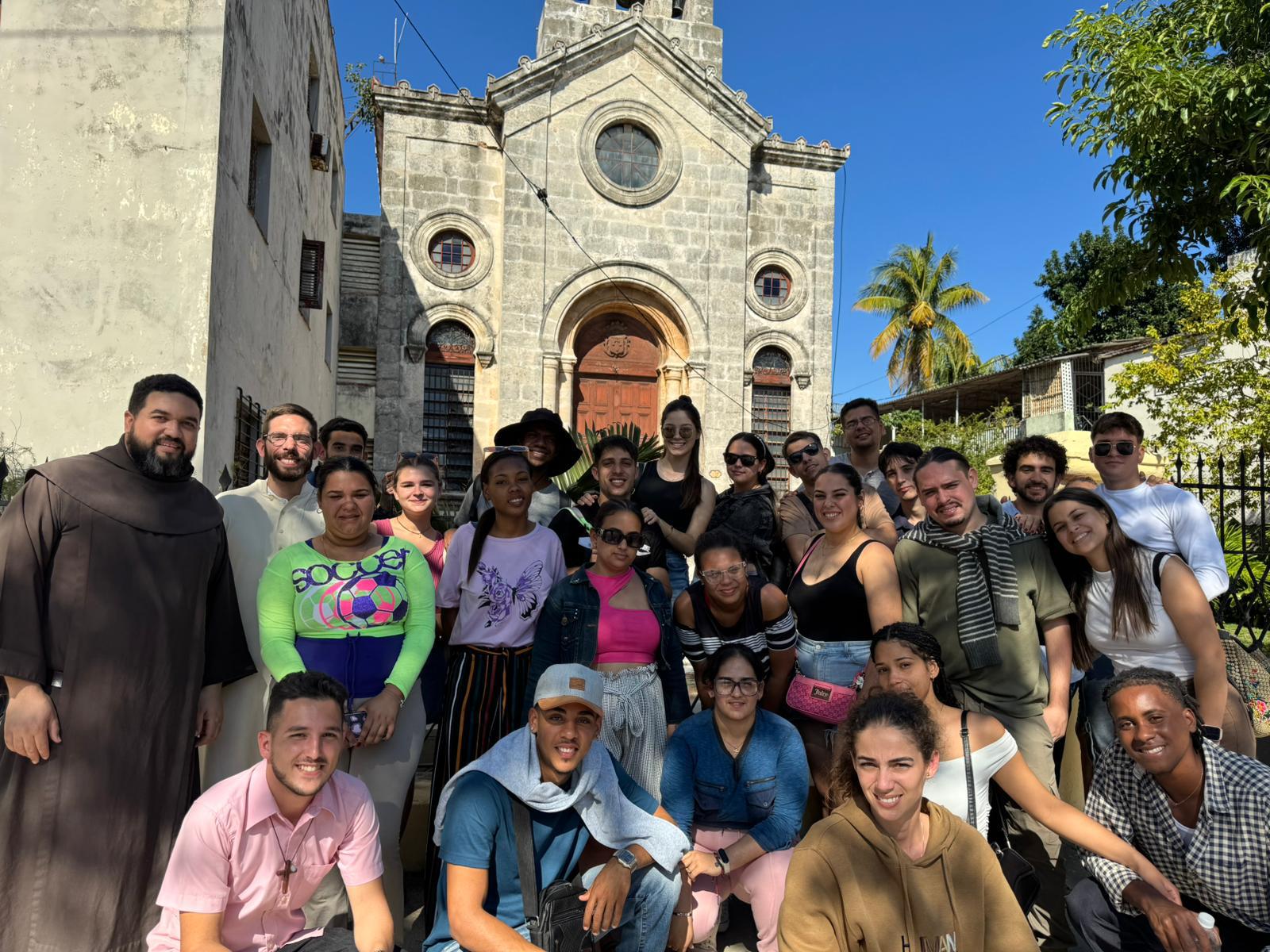
Over the course of three days, young people aged 18 to 30, coming from the parishes of Placetas, Báez, Fomento, Cabaiguán, Guayos, and Falcón, traveled from Placetas to Havana to experience a convivencia (winter camp) focused on the themes of encounter and service.

Welcomed into a house provided by the Carmelite community, the young people quickly turned this place into a real space for communal living.

The convivencia began with a time of blessing in the church adjacent to the accommodation. A few guidelines were established to guide these days: to be open to others, to be available for service, and to allow oneself to be led by the Lord.

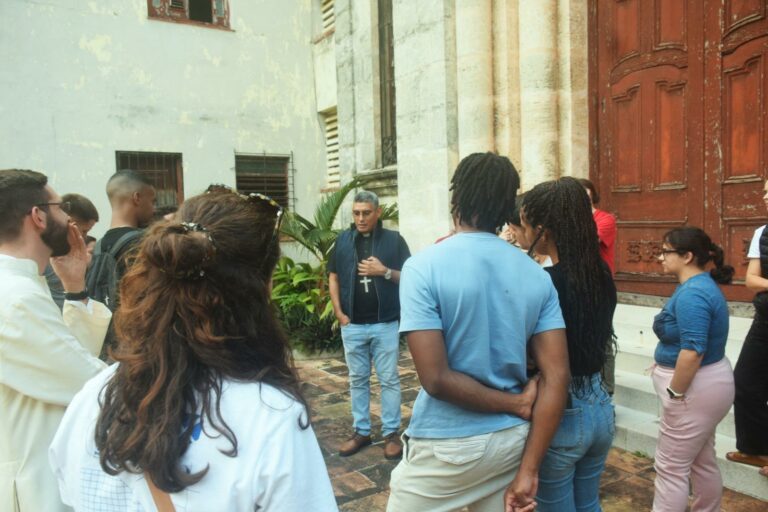
Once everyone settled into the house, the group met with Archbishop Eloy Domínguez Martínez of Havana.

This exchange allowed for a discussion on religious diversity in Cuba and a reflection on the place and hope of young people in a country where everyday challenges are numerous.

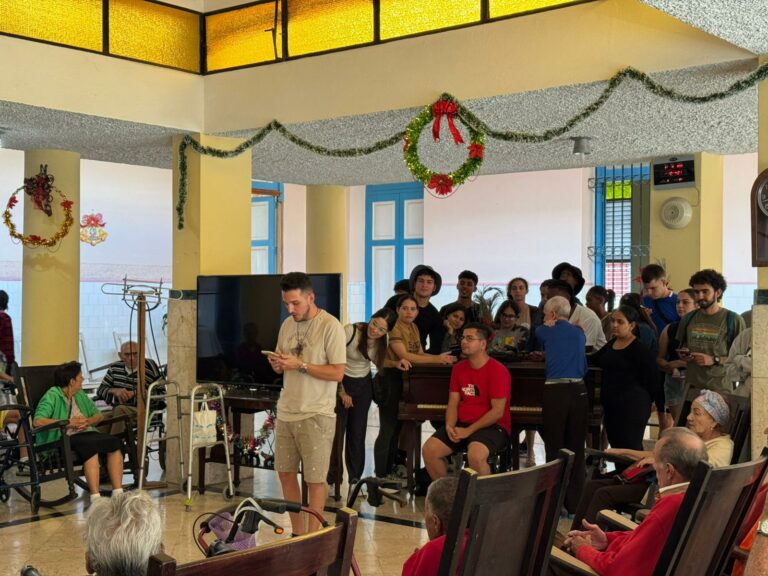
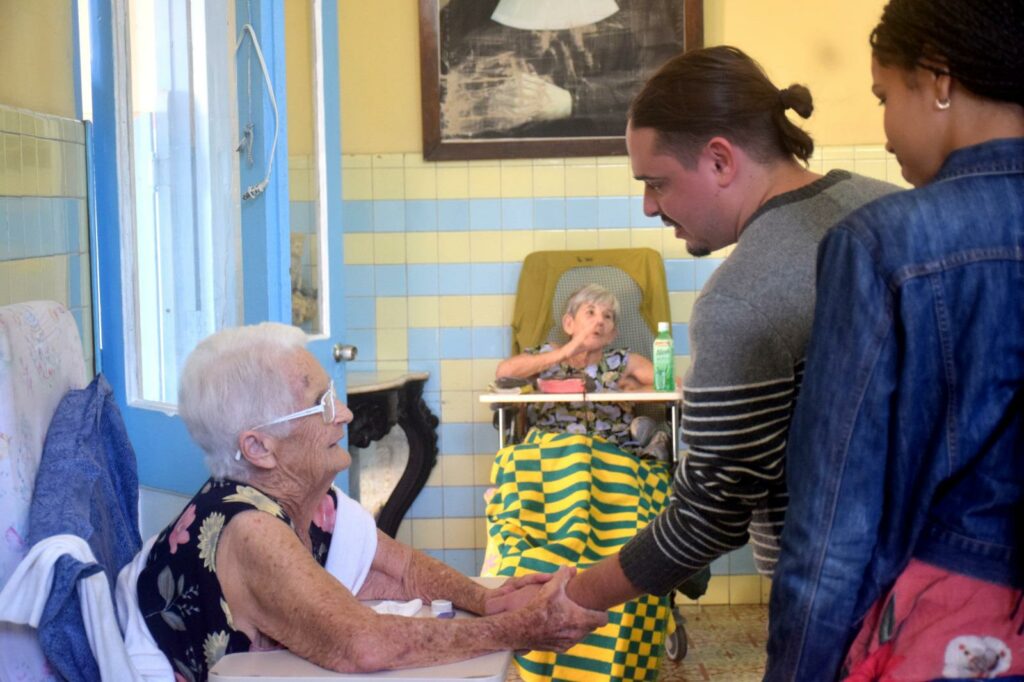
The second day was entirely dedicated to service. The young people went to the Santovenia residence, run by the Hermanitas de los Ancianos Desamparados, which cares for the elderly. After Mass, they took time to visit the facility and interact with the residents.

A highlight of the day was the Christmas carols, accompanied on the piano, which filled the residents with joy. The smiles, the hands clapping in rhythm, and the bright eyes were clear signs of their happiness.

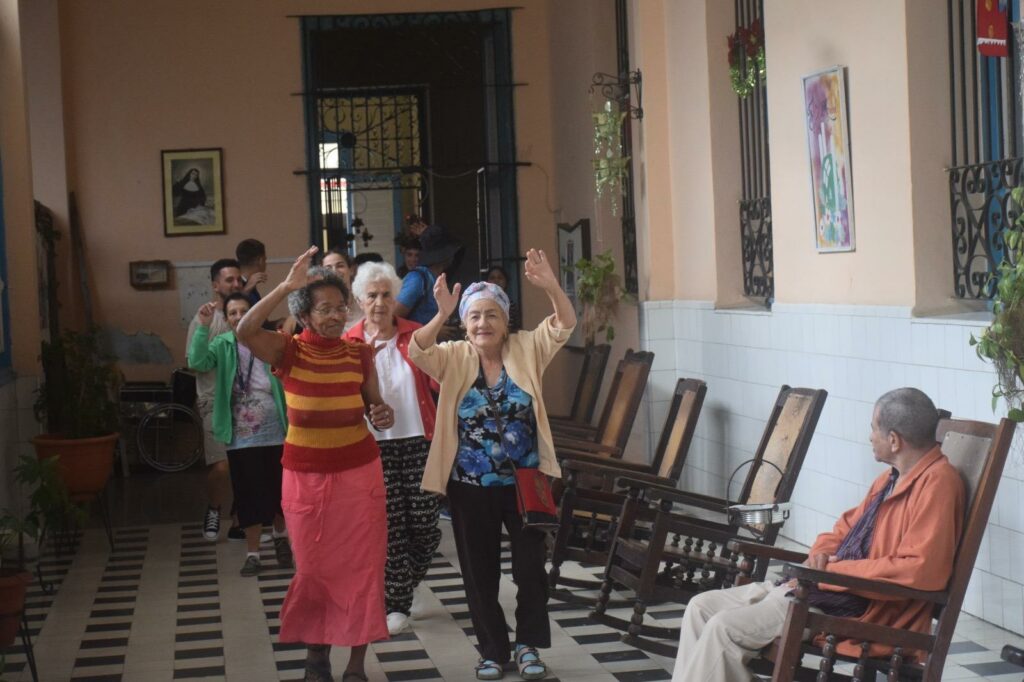
The music continued through the halls, inviting the residents to dance. Then came the time for the meal, served at the pace of the elderly. Each person was assigned a group so that everyone could eat at the same time.

After the elderly had their nap, the young people shared a time of quick-fire games, followed by questions related to key moments in the Christian faith, before joining the residents to pray the rosary together in the church. A beautiful way to conclude this day of service.

The evenings also allowed the group to discover Havana, including a visit to the San Carlos fort and its famous cannon shot.

On the final day, everyone rolled up their sleeves to clean the house before visiting the Cristóbal Colón Cemetery, a large historic site known for its rich religious iconography and marble sculptures.

This convivencia, organized by the members of the youth group “Contra Corriente” council, marked the end of the year with a true missionary spirit.

“Lord, we thank you for these days of encounter and service. Teach us to keep this fraternal joy alive and to make it grow wherever you send us”

Christmas 2025 in Cuba

Christmas 2025 in Cuba

This year, we experienced a particularly intense and beautiful season of Advent in our missions in Cuba.

In Placetas, after three years of restoration work, we redoubled our efforts to reopen our church before Christmas. With immense joy, the community was able to return to the church for the Fourth Sunday of Advent. The church was full, and an atmosphere of celebration and hope could be felt in every corner.

In Cienfuegos, it was our second Christmas in the mission, and it was a great joy to welcome the Child Jesus with a community we now know better and that continues to grow.

Reviving a Latin American Tradition: La Posada

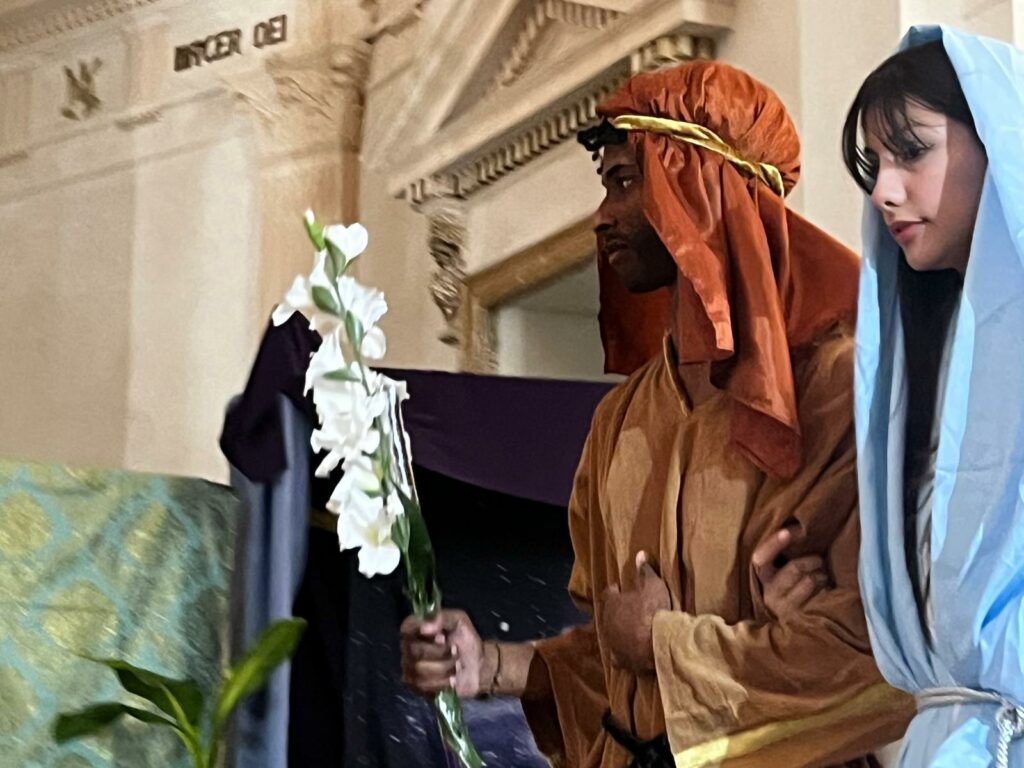
We also revived a beautiful Latin American tradition that had been lost in Cuba: La Posada. On Christmas Eve, following the example of Mary and Joseph, our teenagers went from house to house in the neighborhood, knocking on doors. After the traditional short dialogue, with three “symbolic” refusals, the doors were finally opened so that everyone could sing Christmas carols and bring joy and warmth, especially to the elderly or those who live alone.

The Christmas Mass

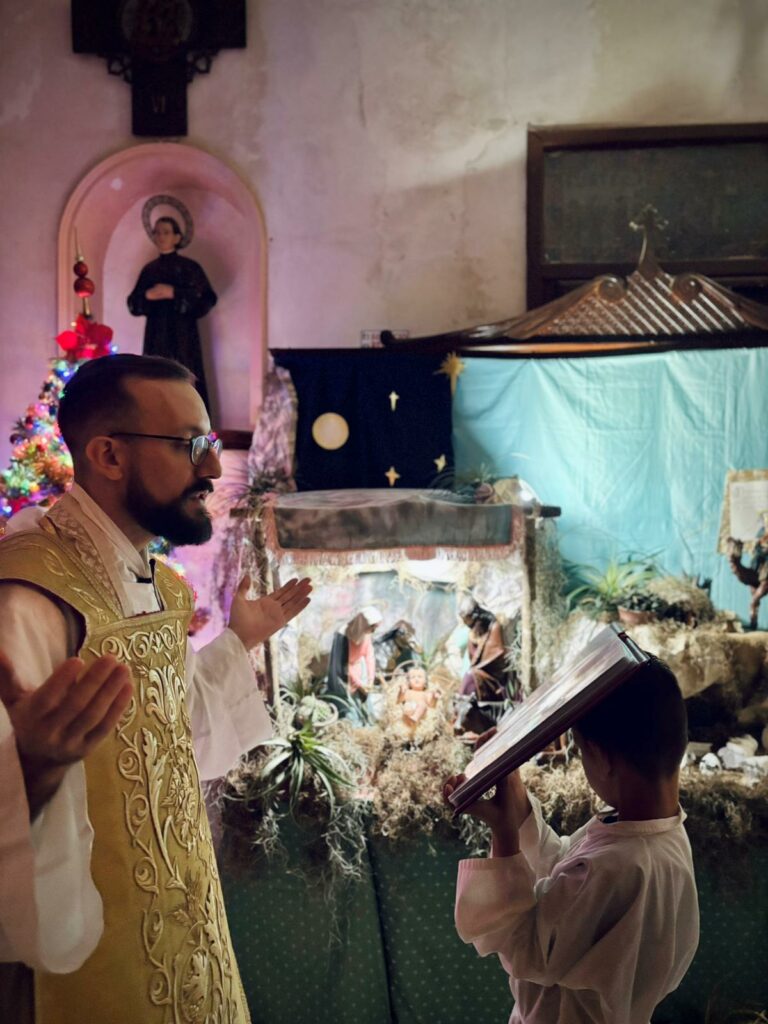
On the evening of December 24, everything was ready: the choirs had rehearsed their most beautiful hymns, the altar servers had adapted to the new church space, and the Christmas Mass in Placetas was celebrated in a festive and fraternal atmosphere.
The Child Jesus was placed in the manger to the sound of Cuban maracas and tambourines, a living symbol of our culture and of the joy of Christmas in Cuba.

A Mission Radiating Beyond Cuba

A Mission Radiating Beyond Cuba

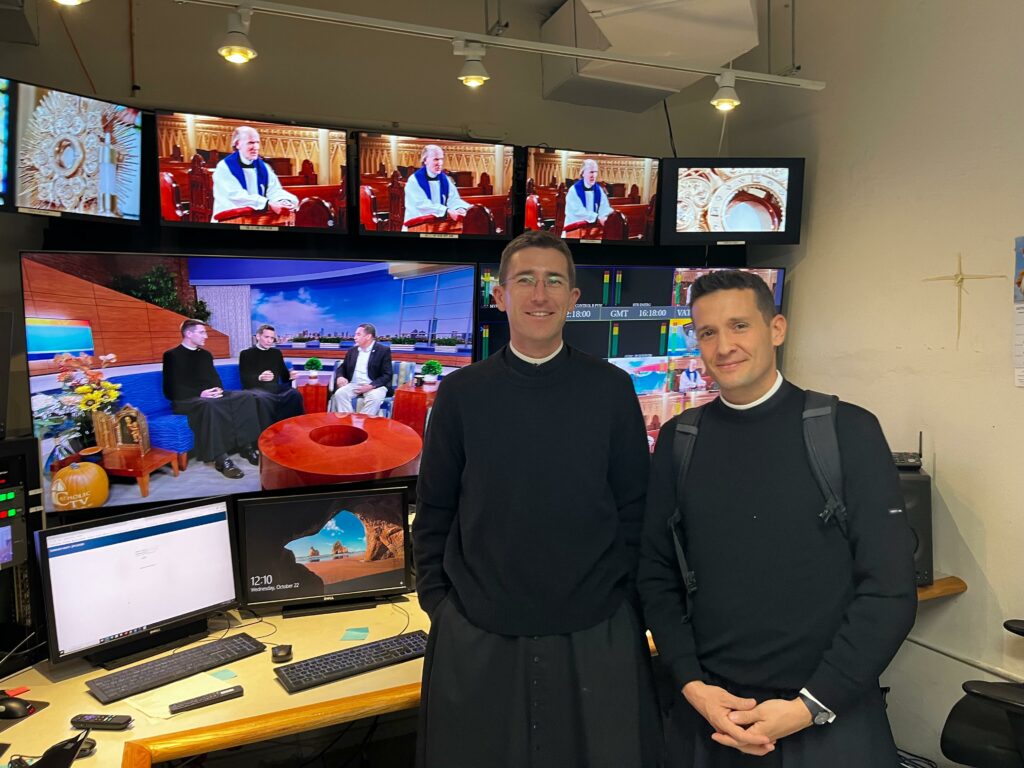
During a recent trip to the United States, Don Stéphane Fernandes and Don Grégoire de Lambilly had the opportunity to bear witness to their missionary commitment in various American dioceses.

It was through these encounters and in the context of this journey that they were invited to take part in an interview on the television program This Is the Day.

Bearing Witness to the Mission in Cuba

The interview, conducted by Deacon Franklin Mejía, gave Don Stéphane and Don Grégoire the opportunity to share their experience within the Cuba mission: how they were called to serve the Cuban people, the charisms of their community, their daily life in the mission field, and the social programs developed in service of the most vulnerable.

They also testify to how their faith has been deepened and strengthened through the trials, joys, and encounters lived on the island, reminding us that mission is above all a path of personal and communal conversion.

A Structuring Missionary Journey in the United States

This trip to the United States had several objectives. One of the main goals was to expand our American network by visiting new cities and new parishes within dioceses already known to us. This mission bore much fruit with stops in Washington, D.C., Boston, New York / New Jersey, and Miami.

Another important focus of this stay was to work toward the creation of a U.S.-based association intended to support the priests of the Cuba mission as well as our French association. This essential step was fully accomplished: the association was created, its bank account opened, and tax-exempt status granted.

Encounters Filled with Hope

One of the great joys of this journey was meeting parish pastors who did not yet know us.

Their warm welcome, their desire to learn more about the Cuba mission, and their invitation to return — within a more institutional framework and in communion with their bishops — are very encouraging signs for us.

Once again, we experienced the vitality of the Catholic faith in the United States, as well as the prompt and joyful generosity of the faithful, who are happy to support the missions of the Church, even beyond the borders of their own country.

In Thanksgiving

Providence was clearly at work throughout this journey. We are now working to structure our American network, while of course continuing to make the Cuba mission known and supported from France. It seems natural to us to seek particular support from our American brothers and sisters, while remaining firmly rooted in our missionary commitment.

Saint Martin of Tours: An Example of Charity

Saint Martin of Tours: An Example of Charity

On November 11th, we gathered to celebrate the feast of Saint Martin of Tours, the patron saint of our community and one of the greatest witnesses of Christian charity.

We all know the famous episode from his life: one winter’s day, while he was still a Roman soldier, Saint Martin met an old man trembling with cold. Filled with compassion, he drew his sword, cut his cloak in two, and gave one half to the beggar.
That night, Christ appeared to him in a dream, wearing that same half of the cloak.

“Truly I tell you, whatever you did for one of the least of these brothers and sisters of mine, you did for me.” (Mt 25:40)


 Inspired by Saint Martin, let us ask ourselves:

“What cloak can I share today?”

Perhaps a few moments of our time, a listening ear, a kind word, or a service offered without expecting anything in return…

Saint Martin, apostle of charity, pray for us!

Our Community Inspired by Saint Martin

Following the example of Saint Martin, our parish seeks to live charity in daily life — not as an abstract idea, but as a concrete gesture rooted in everyday living.

This charity is expressed when young people come together to support, through their presence and prayer, the sick grandmother of a parishioner;
when volunteers at the soup kitchen prepare hot meals for those living in extreme hardship;
or when children and adolescents from the boarding school return home and take part in family life, offering their presence, their help, and their attention.

Each act, no matter how small, becomes a visible sign of God’s presence among us.

Our Lady of Charity of El Cobre

Our Lady of Charity of El Cobre

One of the most beautiful religious celebrations in Cuba is the Feast of Our Lady of Charity of El Cobre, Patroness of Cuba.

In Cuba, there is a date no one can forget: September 8, when Our Lady of Charity of El Cobre, Patroness of Cuba, draws near to her people.
For nine days, the parishes of our missions live to the rhythm of vigils and confessions.
Through the streets, mission groups are sent out, house to house, to invite everyone to the celebration.
In every home, the Virgin is present — in a medal, a small statue, or an image.

And for those who cannot come, their prayers rise with ours, united in this great feast for the nation.

Then comes the long-awaited day.
The churches, adorned with flowers, resound with songs prepared for weeks.
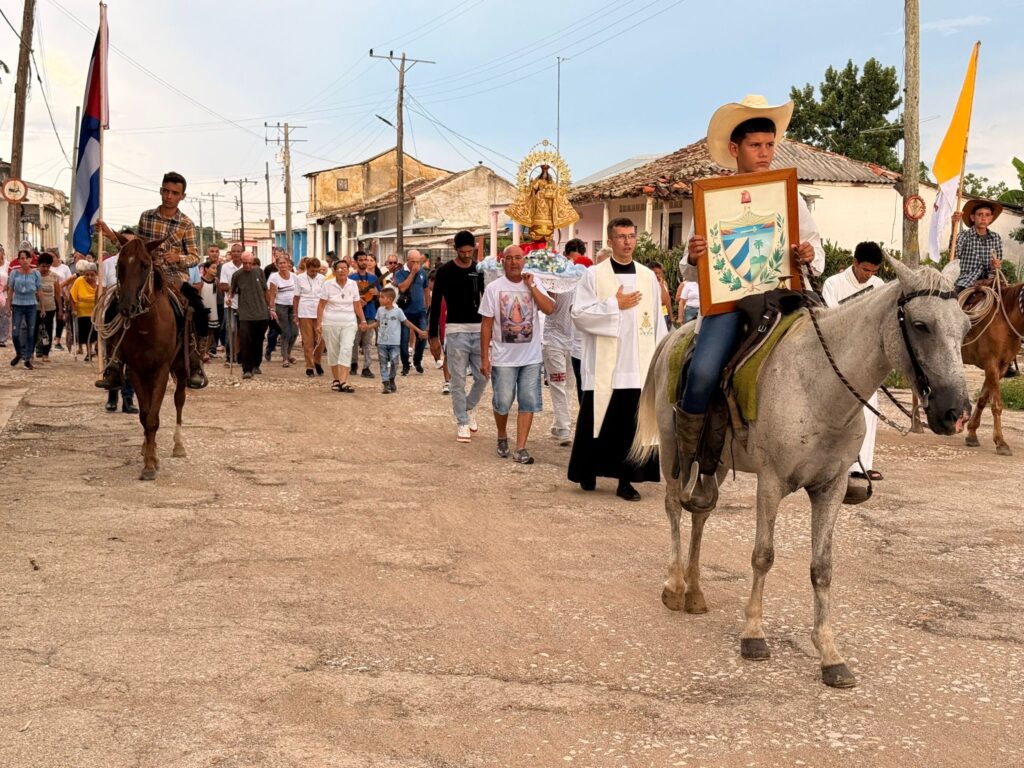
The statue of Our Lady of Charity finally comes out, carried high in the arms of the faithful, and an entire people sets out on pilgrimage.
The streets become a procession: families, children, the elderly, fervent believers, and simple onlookers — all walk behind her.


Even those who never enter the church bow as she passes.
For here, devotion knows no boundaries: she is Mother to all, Catholics and non-Catholics alike.

We ourselves, coming from afar, are deeply moved.
Our Lady of Charity of El Cobre dwells in the prayers and hopes of the Cuban people, accompanying their history marked by wounds and struggle.
As we walk behind her, we feel the fervent faith of a people worn and weary, yet who raise their prayers to the Virgin with unshakable hope, certain that she can do all things.
Yes, Our Lady of Charity watches over Cuba, and in her radiant wake, we entrust with them the future of this island with a great and generous heart.

Corpus Christi

Corpus Christi

Since the Second Vatican Council, the Feast of Corpus Christi has become the Feast of the Most Holy Body and Blood of Christ.


It commemorates the institution of the Eucharist and invites the faithful to deepen their understanding of its meaning.

This feast celebrates the God of love who gives Himself as the bread of eternal life, placing greater emphasis on the mystery of the Eucharist as lived, rather than solely on the adoration of the Real Presence.

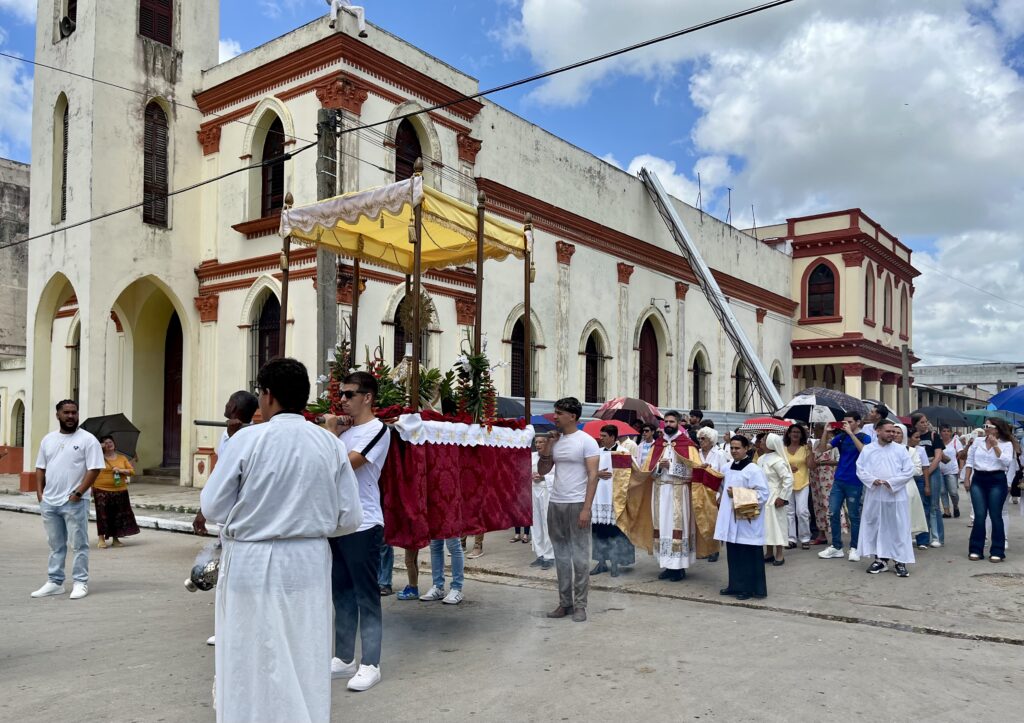
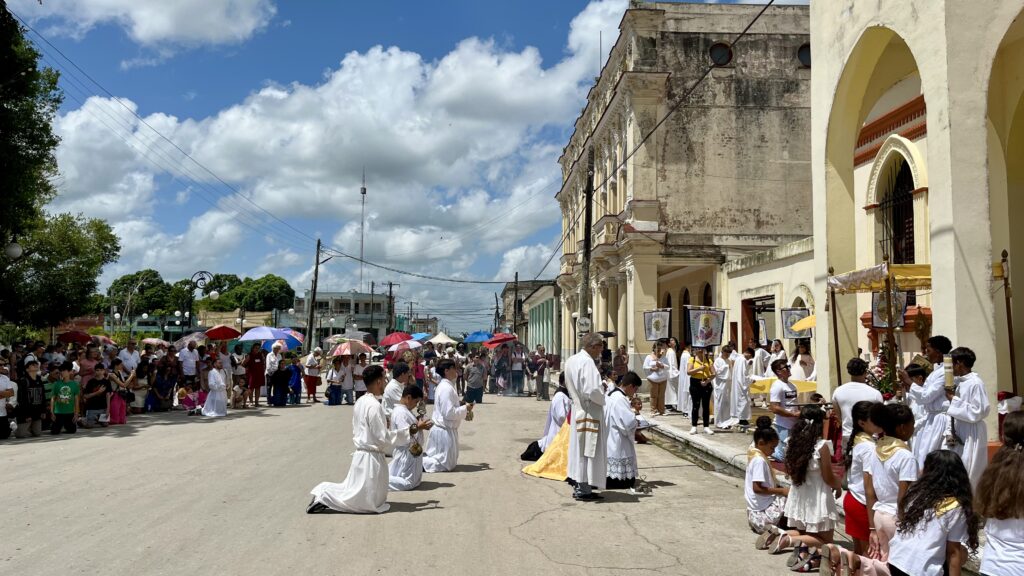
On June 22, the day of the Feast of the Blessed Sacrament, the church is filled to capacity. At the end of Mass, the Blessed Sacrament goes out in procession, banners held high, and amid a cloud of incense, makes its way around the main square, ending its route at the foot of the church bell tower, still under renovation. For a few moments, the voices of the choir and the songs of thanksgiving fade away, and the entire procession, kneeling, adores in silence, offering their intentions. Time seems suspended — quiet and reverent. Then the litany breaks the silence, the final blessing is given, and Jesus in the Host, enclosed in the monstrance, returns to the tabernacle, accompanied by the altar servers.

The crowd disperses, calm and joyful. A thought crosses our minds: we remember the copes of our country churches which, together with their banners (when they have not been burned), wait humbly in the dust for a few brave souls to carry them once again at the head of the procession. A vast task indeed!