A Solidarity Christmas: Distribution of Food Baskets to the Most Needy

The Mission at the bedside..… or in the kitchens of the poor at Christmas

On the occasion of the Christmas celebrations, the Cuba Mission has a long-standing tradition of offering the poorest members of our parishes “jabas de Navidad”—that is, parcels (literally “bags”) of food and hygiene products—in order to ease the difficult daily lives of underprivileged families. Just as at the manger in Bethlehem, the aim above all is to bring a fraternal presence through the very concreteness of these gifts.

Alongside the Most Needy

Across all our parishes in Placetas (Báez, Fomento, Cabaiguán, Guayos) and in Cienfuegos (Paraíso), we thus organized a large distribution for more than 240 people. While throughout the year we strive to support the poor who come to our parishes through our Comedores (hot meals) and our pharmacies, the distribution of these “jabas” relies on the mission’s local network, through which in each village or neighborhood we seek to identify the most needy—who often do not dare to ask for help.
Assistance Made Possible Thanks to Your Donations

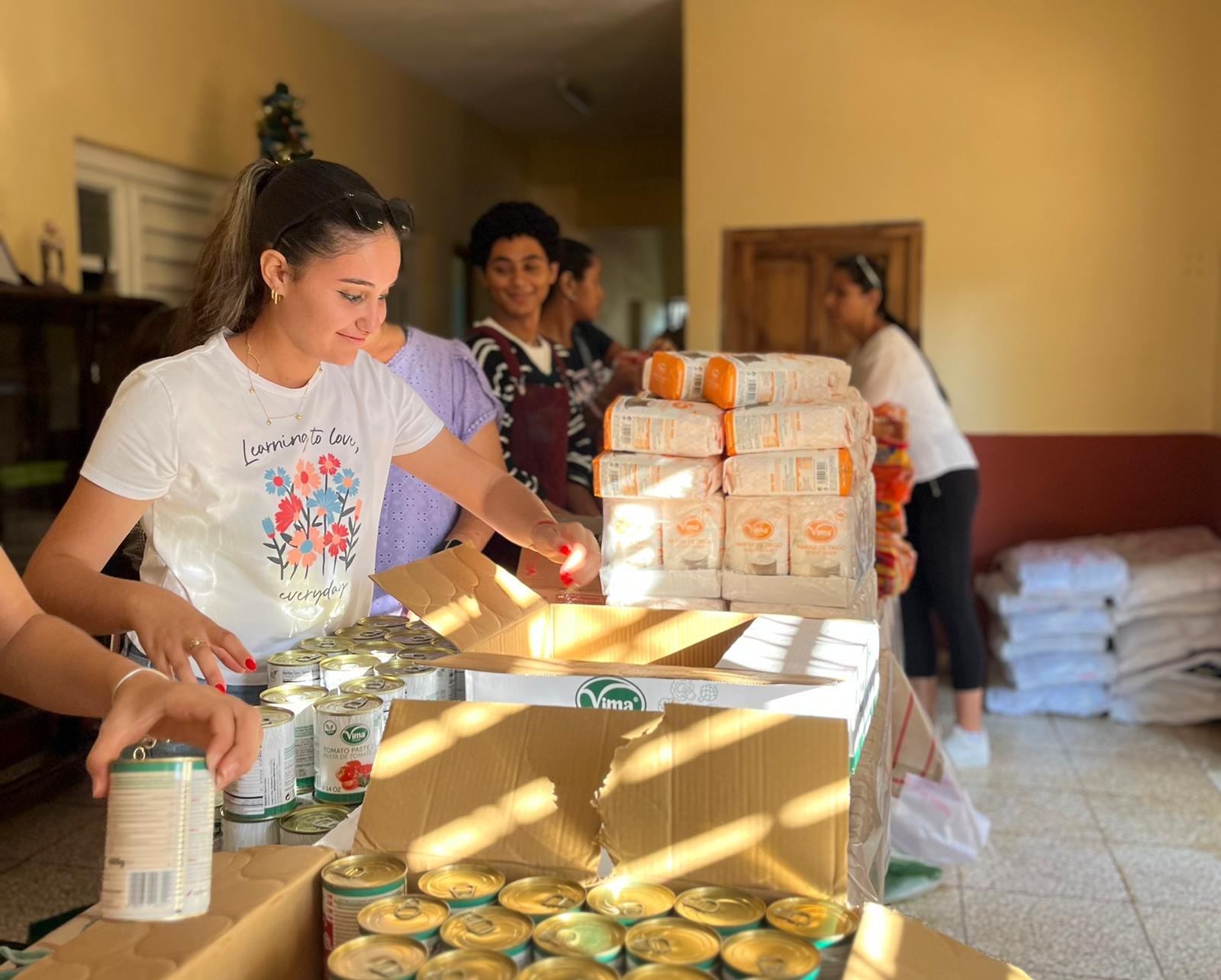
Thanks to the donation drives carried out over the past months, the Mission was able to obtain several tons of foodstuffs and hygiene products, making it possible to assemble 240 well-stocked jabas: canned goods, soups, rice and pasta, soap, laundry detergent, and the traditional “turrón de Navidad,” the Christmas dessert.
The Mobilization of Young People

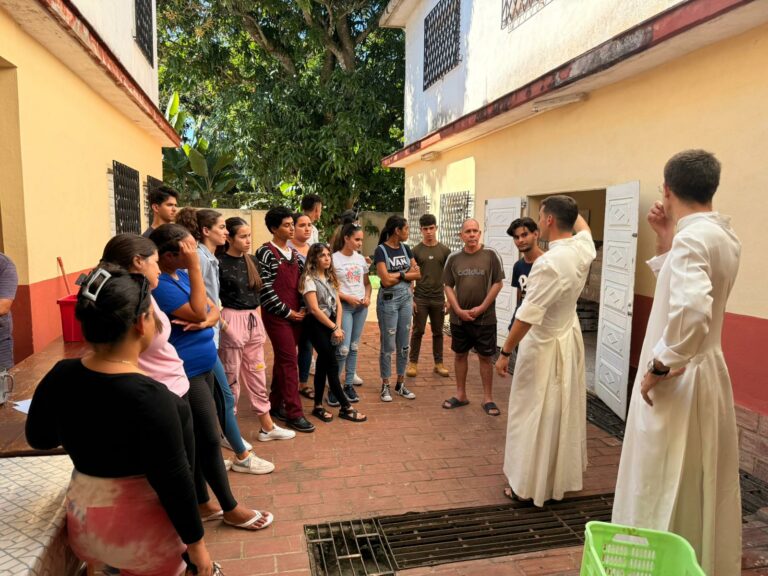
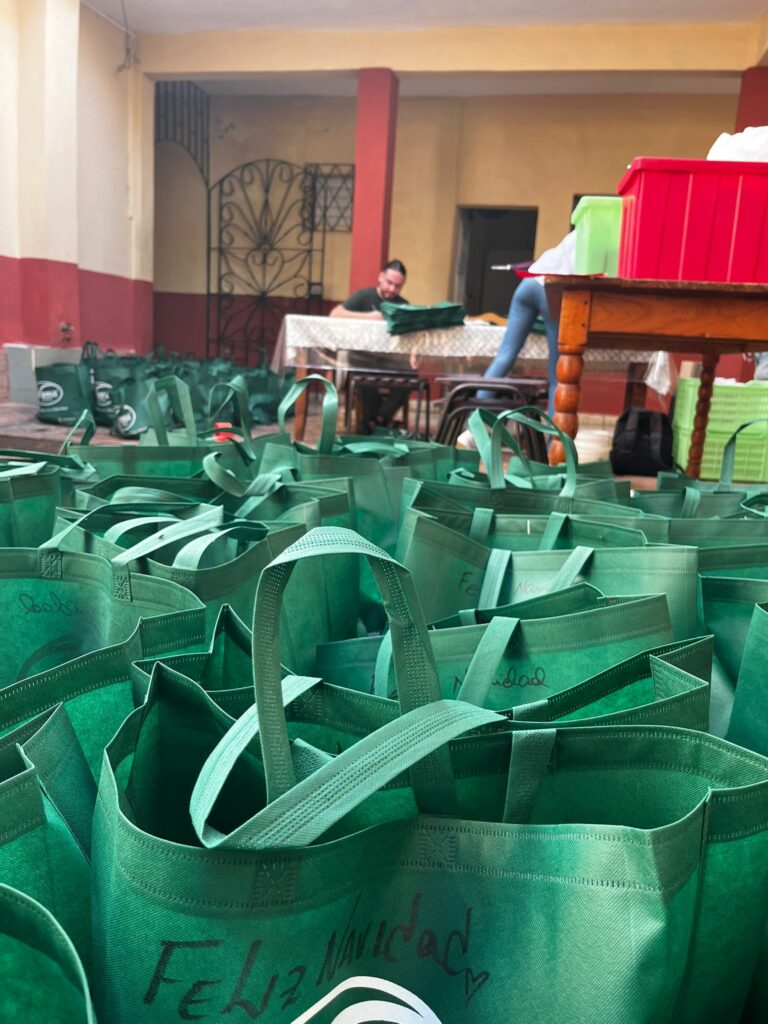
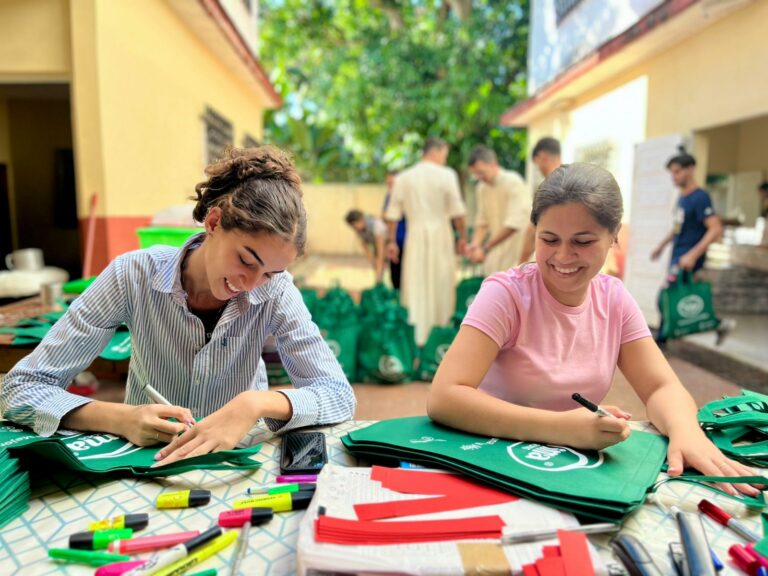
After several weeks of logistics to gather all these supplies, it was the mission’s young people who got to work assembling the jabas. The boarding school refectory was adapted for the occasion, and the young people from Cienfuegos joined the Placetas team on the Saturday before Christmas. Over the course of a full day, a true hive of activity took shape to prepare, weigh, count, and distribute the bags, right up to the final stage: personalizing each parcel!

As charity gives rise to fraternity, this logistical adventure concluded with a large shared meal among the thirty or so volunteers, thereby strengthening the bonds between the two missions of Placetas and Cienfuegos.
Ana-Carolina gives her testimony:

“In this time of Christmas, the distribution of the food baskets was not only a material gesture, but a living sign of Christ’s love. When visiting some brothers and sisters who live alone, we felt that each of these baskets carried within it a message of hope: ‘You are not forgotten; the Church walks with you.’ Many received this food with tears of gratitude, because beyond its contents, it represented the companionship, closeness, and embrace of a community that recognizes them as part of the great family of God. Christmas reminds us that Jesus was born poor and humble, so that no one would feel alone at His table. Each bag given was a seed of faith and consolation, a reminder that true wealth is found in sharing.”

 

Visiting the Poor

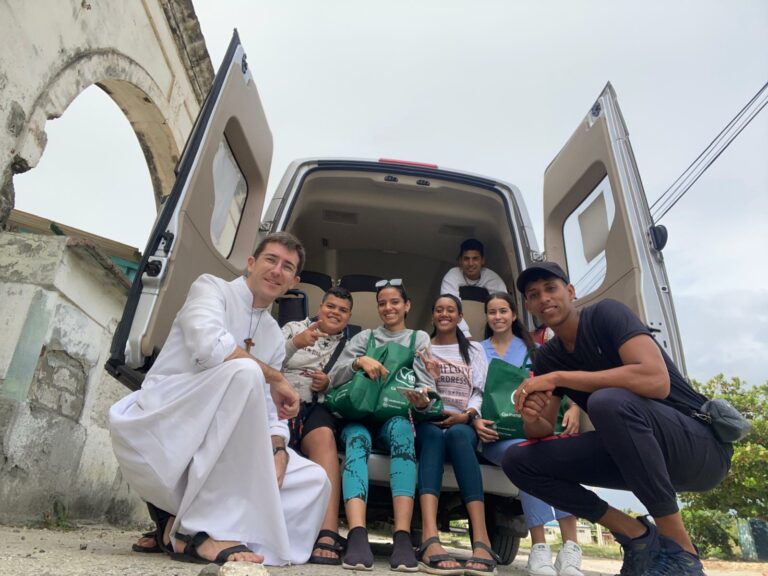
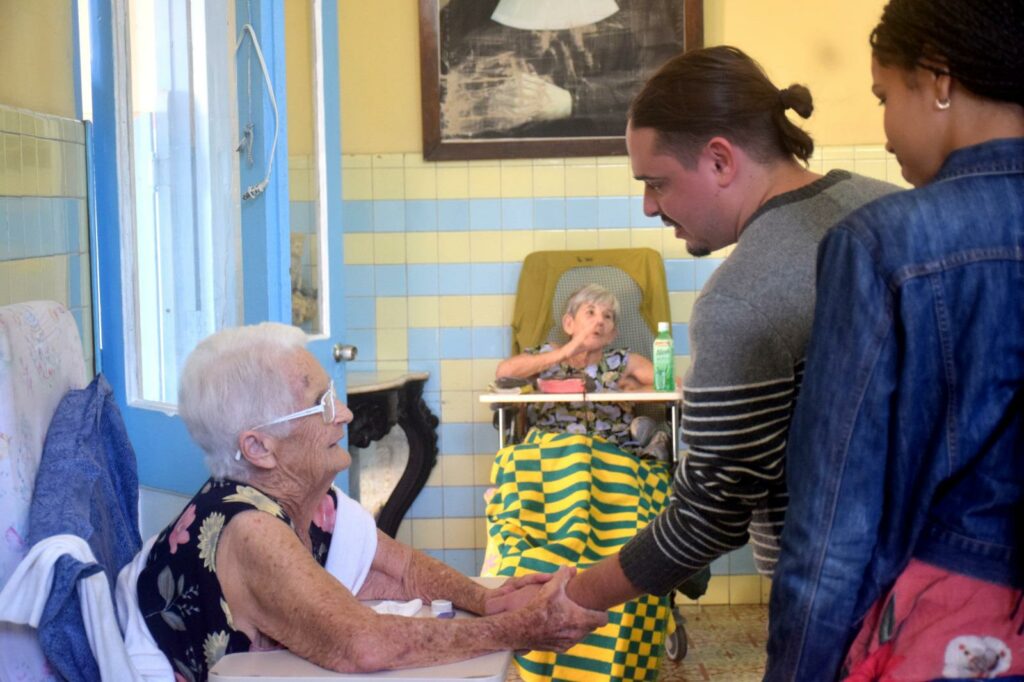
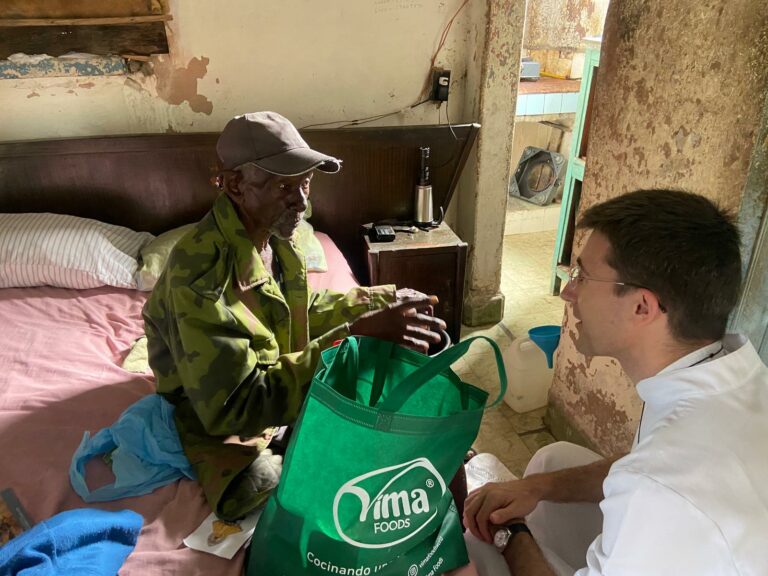
Everything was then ready for the final stage: reaching the homes of the recipients of these jabas de Navidad. Given the vastness of the territory, each sector organized itself. In the city, it was often the young people who, during the days before and after Christmas, went to visit each person in need to deliver the jaba and take the time to share a meaningful visit. The various communities also mobilized to ensure that this Christmas gift reached those living in the most remote areas.

Ana-Carolina gives her testimony:

“In this time of Christmas, the distribution of the food baskets was not only a material gesture, but a living sign of Christ’s love. When visiting some brothers and sisters who live alone, we felt that each of these baskets carried within it a message of hope: ‘You are not forgotten; the Church walks with you.’ Many received this food with tears of gratitude, because beyond its contents, it represented the companionship, closeness, and embrace of a community that recognizes them as part of the great family of God. Christmas reminds us that Jesus was born poor and humble, so that no one would feel alone at His table. Each bag given was a seed of faith and consolation, a reminder that true wealth is found in sharing.”
Youth Conviviality

Youth Conviviality

WhatsApp Image 2026-01-06 at 15.05.47kj


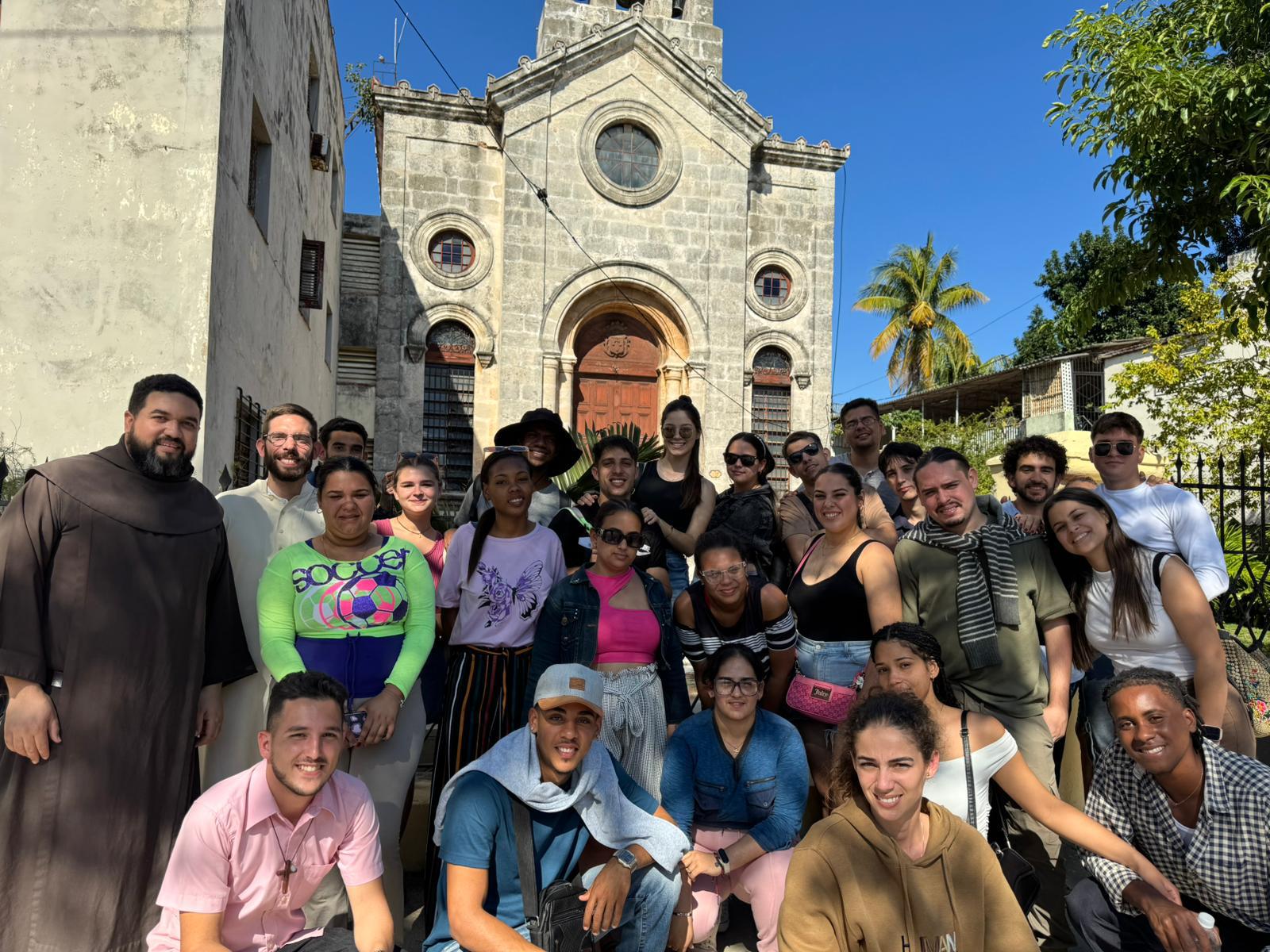
Over the course of three days, young people aged 18 to 30, coming from the parishes of Placetas, Báez, Fomento, Cabaiguán, Guayos, and Falcón, traveled from Placetas to Havana to experience a convivencia (winter camp) focused on the themes of encounter and service.

Welcomed into a house provided by the Carmelite community, the young people quickly turned this place into a real space for communal living.

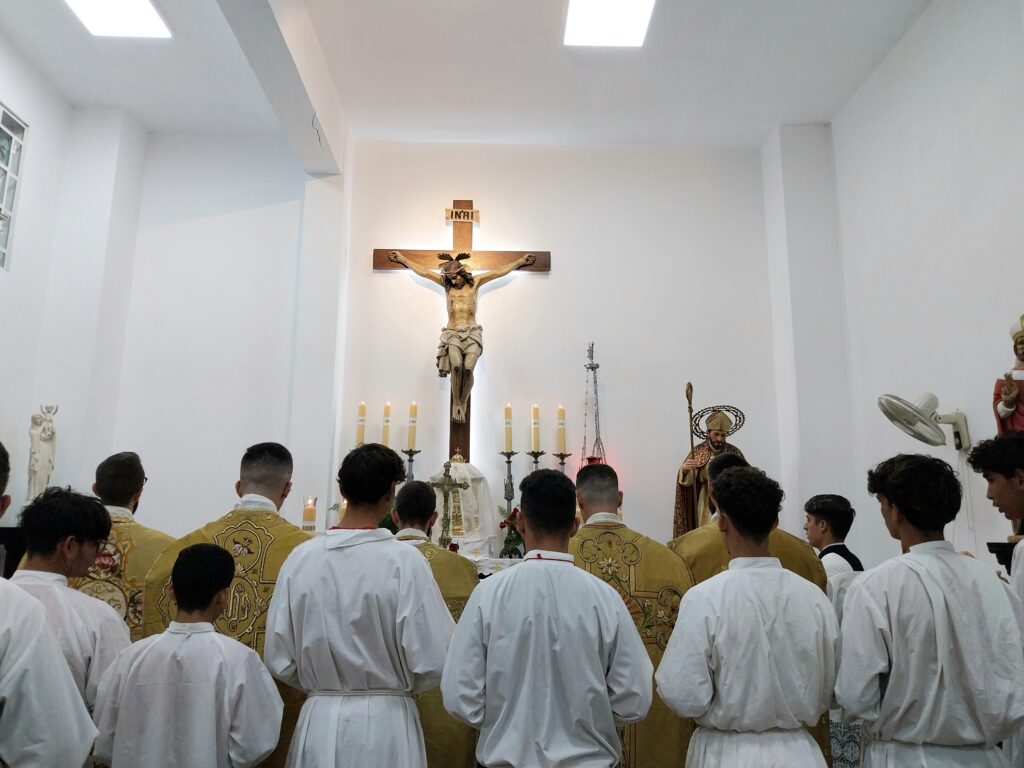
The convivencia began with a time of blessing in the church adjacent to the accommodation. A few guidelines were established to guide these days: to be open to others, to be available for service, and to allow oneself to be led by the Lord.

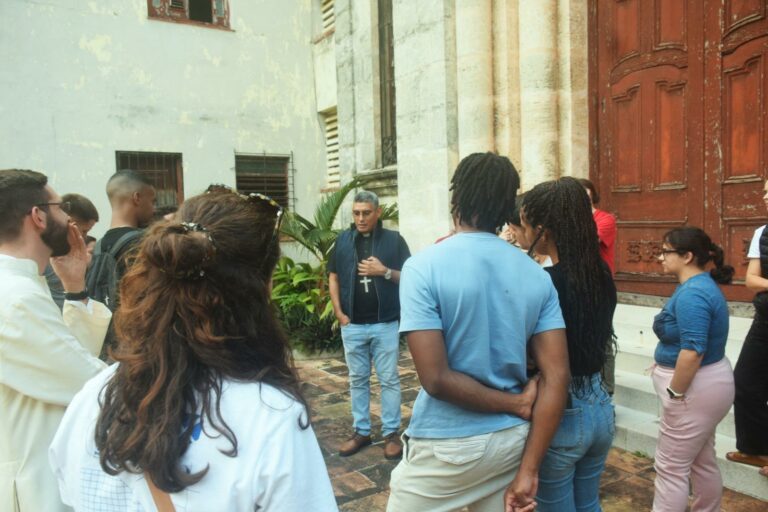
Once everyone settled into the house, the group met with Archbishop Eloy Domínguez Martínez of Havana.

This exchange allowed for a discussion on religious diversity in Cuba and a reflection on the place and hope of young people in a country where everyday challenges are numerous.

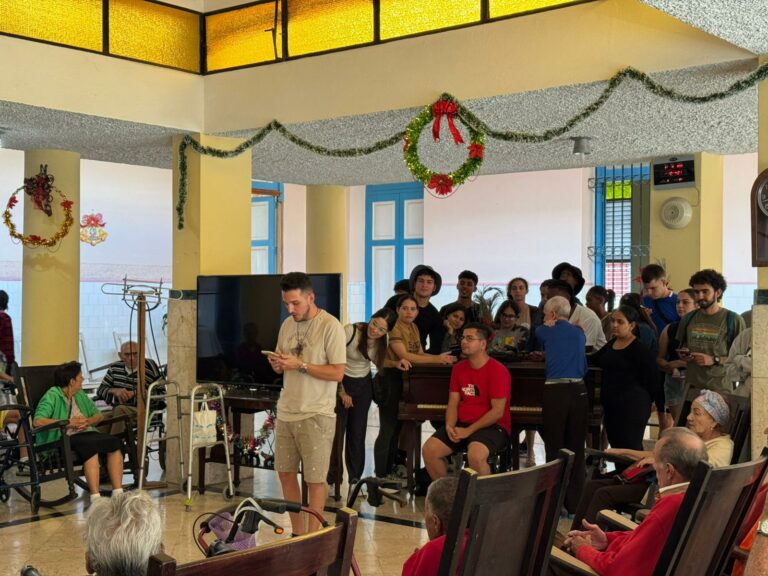
The second day was entirely dedicated to service. The young people went to the Santovenia residence, run by the Hermanitas de los Ancianos Desamparados, which cares for the elderly. After Mass, they took time to visit the facility and interact with the residents.

A highlight of the day was the Christmas carols, accompanied on the piano, which filled the residents with joy. The smiles, the hands clapping in rhythm, and the bright eyes were clear signs of their happiness.

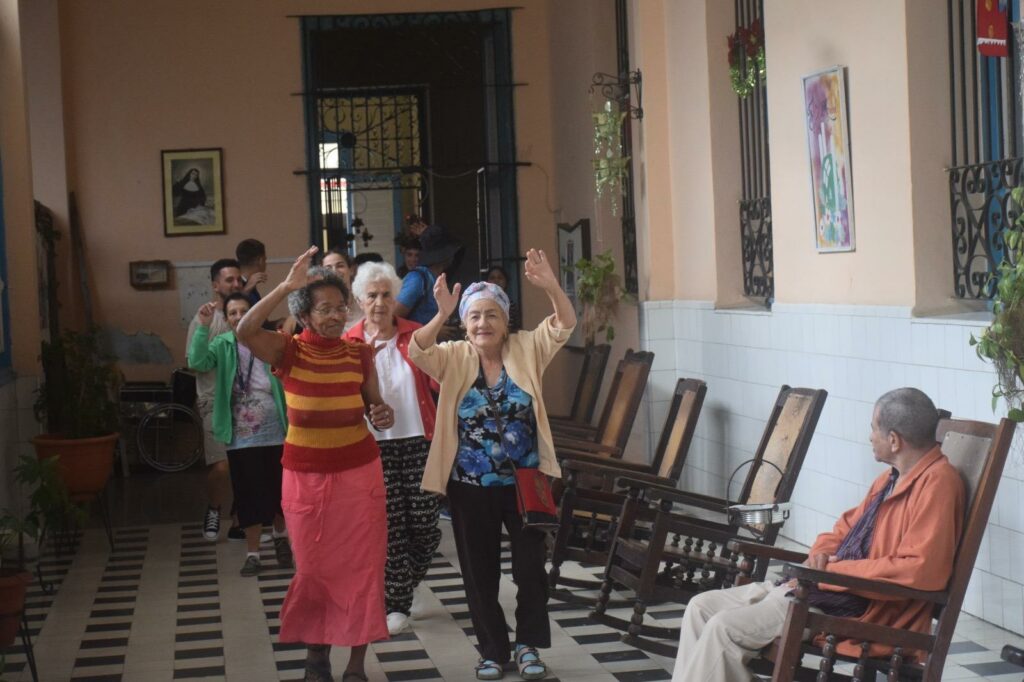
The music continued through the halls, inviting the residents to dance. Then came the time for the meal, served at the pace of the elderly. Each person was assigned a group so that everyone could eat at the same time.

After the elderly had their nap, the young people shared a time of quick-fire games, followed by questions related to key moments in the Christian faith, before joining the residents to pray the rosary together in the church. A beautiful way to conclude this day of service.

The evenings also allowed the group to discover Havana, including a visit to the San Carlos fort and its famous cannon shot.

On the final day, everyone rolled up their sleeves to clean the house before visiting the Cristóbal Colón Cemetery, a large historic site known for its rich religious iconography and marble sculptures.

This convivencia, organized by the members of the youth group “Contra Corriente” council, marked the end of the year with a true missionary spirit.

“Lord, we thank you for these days of encounter and service. Teach us to keep this fraternal joy alive and to make it grow wherever you send us”

Saint Martin of Tours: An Example of Charity

Saint Martin of Tours: An Example of Charity

On November 11th, we gathered to celebrate the feast of Saint Martin of Tours, the patron saint of our community and one of the greatest witnesses of Christian charity.

We all know the famous episode from his life: one winter’s day, while he was still a Roman soldier, Saint Martin met an old man trembling with cold. Filled with compassion, he drew his sword, cut his cloak in two, and gave one half to the beggar.
That night, Christ appeared to him in a dream, wearing that same half of the cloak.

“Truly I tell you, whatever you did for one of the least of these brothers and sisters of mine, you did for me.” (Mt 25:40)


 Inspired by Saint Martin, let us ask ourselves:

“What cloak can I share today?”

Perhaps a few moments of our time, a listening ear, a kind word, or a service offered without expecting anything in return…

Saint Martin, apostle of charity, pray for us!

Our Community Inspired by Saint Martin

Following the example of Saint Martin, our parish seeks to live charity in daily life — not as an abstract idea, but as a concrete gesture rooted in everyday living.

This charity is expressed when young people come together to support, through their presence and prayer, the sick grandmother of a parishioner;
when volunteers at the soup kitchen prepare hot meals for those living in extreme hardship;
or when children and adolescents from the boarding school return home and take part in family life, offering their presence, their help, and their attention.

Each act, no matter how small, becomes a visible sign of God’s presence among us.