
All Saints’ Day: Young People Celebrate the Saints in Cuba
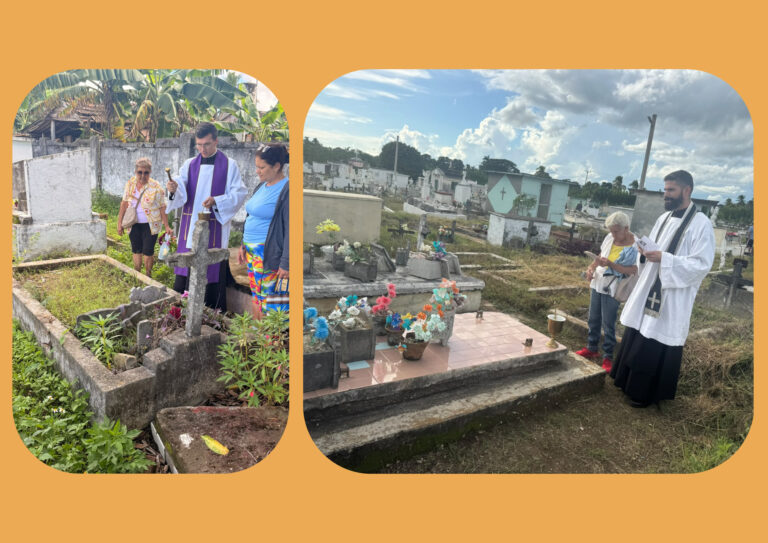
On the occasion of All Saints’ Day, the mission’s parishes celebrated the saints and, the following day, commemorated the faithful departed. Prayer gatherings were organised to entrust the souls in purgatory to God.
The graves of parishioners were also blessed in Catholic cemeteries, where families and communities came together to pray for those who have passed away.
Young People Discovering the Saints
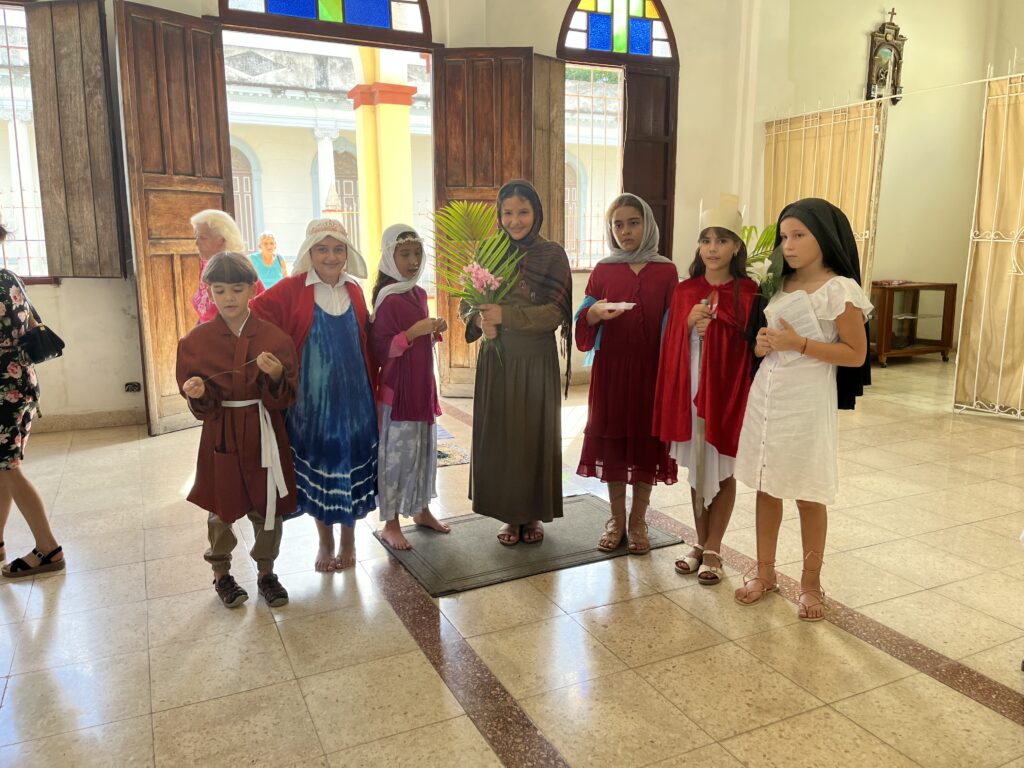
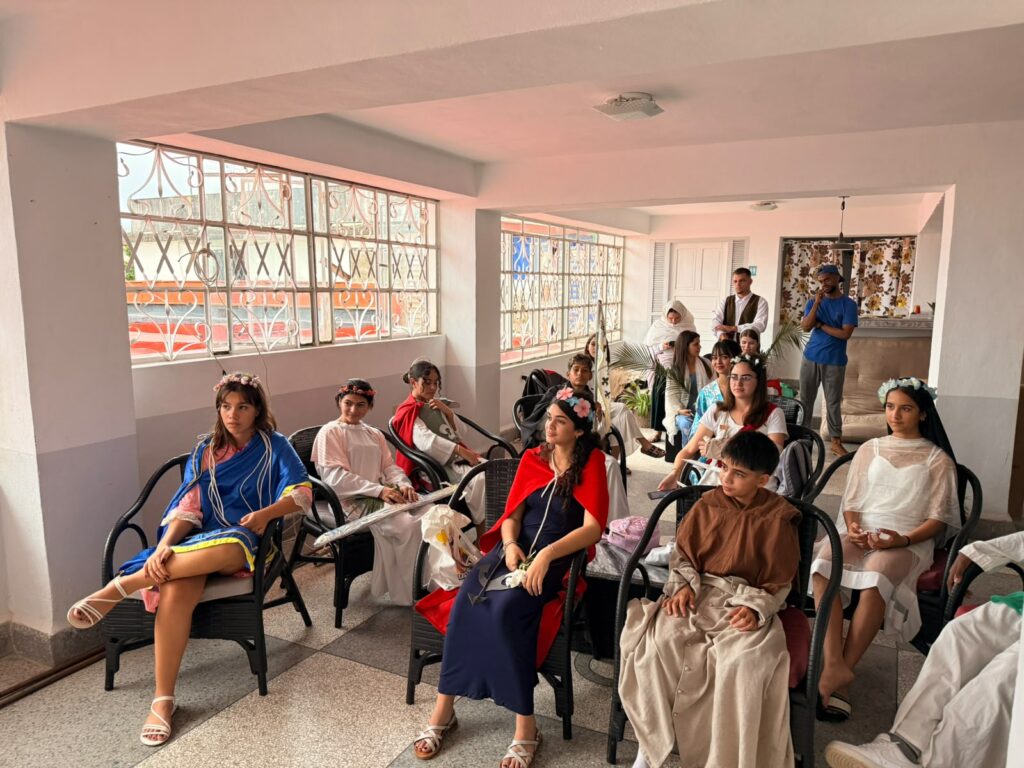
On Saturday, in Guayos, young people and Fidesco volunteers gathered at the parish for a saints’ costume workshop. Twenty-five young people let their creativity shine, making costumes from various fabrics and materials to represent the saint they had chosen and the attributes associated with them.
That same evening, teenagers in Cabaiguán also took part in the workshop. In Placetas, the middle-school and teenage groups joined in as well. They discovered the stories of men and women who had lived out their faith with courage. The evening also provided an opportunity for an unexpected encounter: a non-Catholic friend of one of the young women from the parish came along out of curiosity, to film the activity and accompany her. He thus discovered the church in an unexpected way and even stayed to take part in the prayer time.
Daniela’s Testimony: Choosing Saint Marina of Ōmura
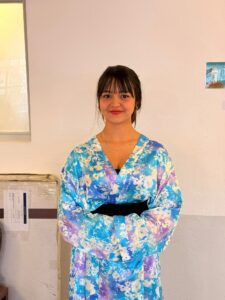
In Placetas, Daniela, a member of the youth group, chose to portray Saint Marina of Ōmura, a 17th-century Japanese martyr. Her story particularly moved her: at a time when Christians were being persecuted in Japan, Marina refused to renounce her faith. Her home had become a refuge for missionaries and persecuted Christians. She was arrested for helping them and sentenced to die at the stake. She remained faithful to Christ to the very end and forgave those who put her to death.
Daniela is especially struck by her courage and faithfulness to God: “True strength does not mean having no fear, but remaining faithful, even when everything seems to be against us.”
This story has a particular resonance in Cuba. Following the 1959 Revolution, relations between the new government and the Catholic Church quickly deteriorated. In 1961, private schools, including Catholic institutions, were nationalised, and more than 130 priests were expelled. Many other priests and religious sisters left the country. The number of religious sisters, which had exceeded 2,000 in the early 1960s, fell to around 200 by 1970. These events profoundly affected the life of the Church.
Yet faith continued to be lived and passed on, sometimes quietly, thanks to the faithfulness of parishioners who kept their communities alive. A parishioner from Zaza tells us that his wife’s family, who lived in a house near the chapel, stayed there to protect it and prevent it from falling into the hands of the authorities, who wanted to close it or destroy it.
By celebrating the saints and praying for the departed, the communities remember these witnesses of faith, both known and unknown. Their example reminds us that we are called to remain faithful to Christ and to live in communion with God and with all those who have gone before us.